
Table of Contents
Prenatal Care Specialist in Visakhapatnam | Dr. Devani Chalamuri
A Prenatal Care Specialist in Visakhapatnam provides medical supervision throughout pregnancy to support the health of both the mother and the developing baby. Prenatal care includes regular antenatal check-ups, fetal growth monitoring, maternal health assessments, recommended laboratory investigations, ultrasound referrals when indicated, nutritional counselling, and birth preparation. Early and consistent prenatal care is associated with improved maternal and newborn health outcomes by helping identify potential concerns early and supporting healthy pregnancy progression.
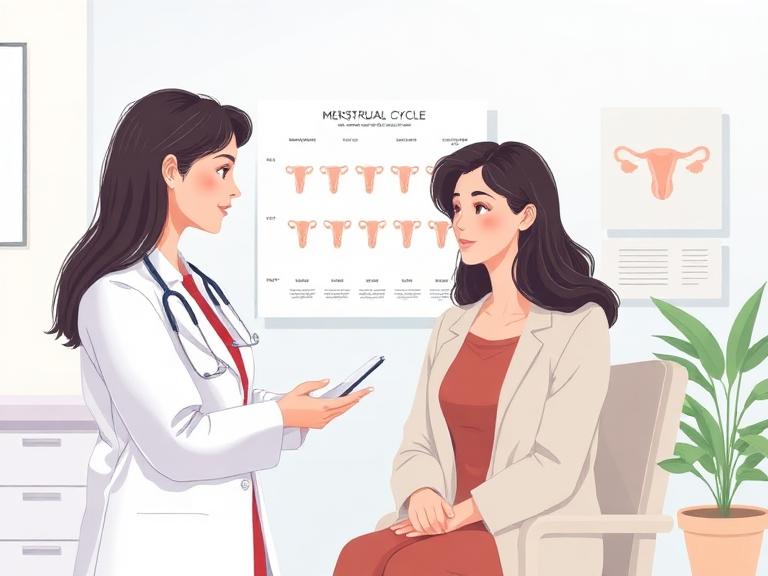
About Dr. Devani Chalamuri
Dr. Devani Chalamuri is an experienced Obstetrician and Gynaecologist practising at Vedanta Speciality Clinics, Madhurawada, Visakhapatnam. She provides comprehensive prenatal and maternity care using an evidence-based, patient-centred approach that supports women from pregnancy confirmation through childbirth and the postnatal period.
Her clinical expertise includes:
- Prenatal care
- Routine antenatal care
- Pregnancy monitoring
- High-risk pregnancy care
- Early pregnancy assessment
- Pregnancy counselling
- Infertility evaluation
- PCOS management
- Menstrual disorder treatment
- Family planning
- Postnatal care
Every pregnancy is unique. Dr. Devani develops personalised care plans based on maternal health, gestational age, previous pregnancy history, and individual clinical requirements. Her approach emphasises preventive care, continuity of care, patient education, and timely assessment whenever concerns arise.
Qualifications: [MBBS, MS – Obstetrics & Gynaecology] (Please verify before publishing.)
Vedanta Speciality Clinics serves women from Madhurawada, PM Palem, Rushikonda, MVP Colony, Kommadi, Seethammadhara, Bheemunipatnam, Gajuwaka, and surrounding areas of Visakhapatnam.
What Is Prenatal Care?
Prenatal care refers to the medical care provided throughout pregnancy to monitor the health of both the mother and the developing baby. It begins soon after pregnancy is confirmed and continues until delivery.
Routine prenatal care generally includes:
- Pregnancy confirmation
- Due date estimation
- Maternal medical history review
- Blood pressure monitoring
- Weight assessment
- Routine blood and urine investigations
- Ultrasound referrals when clinically appropriate
- Fetal growth monitoring
- Nutrition counselling
- Iron, folic acid, and calcium guidance
- Vaccination advice when indicated
- Birth planning
- Breastfeeding education
- Postnatal planning
Regular prenatal visits help monitor fetal development, maternal well-being, and pregnancy progression. They also provide opportunities to identify conditions such as gestational diabetes, pregnancy-induced hypertension, anaemia, thyroid disorders, or fetal growth concerns that may require additional evaluation or monitoring.
Prenatal care also focuses on education. Women receive guidance regarding healthy eating, physical activity, pregnancy symptoms, warning signs requiring medical attention, labour preparation, breastfeeding, and newborn care. Evidence-based prenatal care supports informed decision-making throughout pregnancy.
Services Offered at Vedanta Speciality Clinics
Women seeking a Prenatal Care Specialist in Visakhapatnam receive comprehensive maternity care tailored to each stage of pregnancy.
Pregnancy Confirmation and Early Prenatal Care
Early pregnancy consultations include pregnancy confirmation, gestational age estimation, due date calculation, review of medical history, and planning of antenatal care.
Routine Prenatal Check-ups
Regular antenatal visits include:
- Blood pressure monitoring
- Weight assessment
- Maternal health evaluation
- Fetal growth assessment
- Review of pregnancy symptoms
- Ongoing pregnancy counselling
Follow-up schedules are individualised according to gestational age and clinical requirements.
Pregnancy Monitoring
Routine monitoring helps assess maternal well-being and fetal development throughout pregnancy. Recommended investigations and ultrasound scans are advised according to current clinical guidelines and individual health needs.
High-Risk Pregnancy Monitoring
Women with diabetes, hypertension, thyroid disorders, previous pregnancy complications, twin pregnancies, or other medical conditions may require more frequent monitoring and personalised obstetric care.
Nutrition and Lifestyle Counselling
Guidance is provided regarding:
- Healthy pregnancy diet
- Iron and folic acid supplementation
- Calcium intake
- Hydration
- Healthy weight gain
- Safe physical activity
- Pregnancy wellness
Birth Preparation and Postnatal Planning
As pregnancy progresses, consultations include discussions about labour, delivery options, breastfeeding, newborn care, postpartum recovery, and follow-up after childbirth.
Why Choose a Prenatal Care Specialist?
Choosing an experienced prenatal care specialist provides continuity of care throughout pregnancy while ensuring regular monitoring of both maternal and fetal health.
Benefits include:
- Early antenatal registration
- Regular pregnancy monitoring
- Personalised care plans
- Timely identification of pregnancy-related concerns
- Evidence-based nutritional guidance
- Birth preparedness counselling
- Breastfeeding education
- Ongoing emotional and medical support
- Continuity of care from the first trimester through delivery
Routine prenatal care allows expectant mothers to ask questions, understand pregnancy milestones, and receive guidance based on current obstetric recommendations. Consistent follow-up also helps build trust between the patient and obstetrician while supporting healthy pregnancy outcomes.
When Should You See a Prenatal Care Specialist?
Consulting a Prenatal Care Specialist in Visakhapatnam early in pregnancy is one of the most important steps toward maintaining the health of both mother and baby. Ideally, your first prenatal visit should be scheduled as soon as pregnancy is confirmed. Early medical supervision helps establish a personalised care plan, estimate your due date, assess maternal health, and monitor fetal development from the very beginning.
You should consider seeing a prenatal care specialist in the following situations:
1. As Soon as Pregnancy Is Confirmed
If you receive a positive home pregnancy test or laboratory confirmation, arrange your first prenatal consultation promptly. Early antenatal registration allows your doctor to begin routine monitoring and recommend appropriate investigations based on your stage of pregnancy.
2. Before Planning a Pregnancy
Women planning to conceive may benefit from a preconception consultation. This visit allows the doctor to review your medical history, discuss healthy lifestyle habits, recommend folic acid supplementation when appropriate, and address any existing medical conditions before pregnancy.
3. If You Have a Previous Pregnancy History
Early prenatal consultation is especially important if you have experienced:
- Previous miscarriage
- Gestational diabetes
- Pregnancy-induced hypertension
- Preterm birth
- Stillbirth
- Previous caesarean delivery
- Ectopic pregnancy
A detailed review of your previous pregnancy history helps your obstetrician plan appropriate monitoring for your current pregnancy.
4. If You Have Existing Medical Conditions
Women with chronic medical conditions should begin prenatal care early.
Examples include:
- Diabetes
- Thyroid disorders
- Hypertension
- Kidney disease
- Epilepsy
- Autoimmune disorders
- Heart disease
- Obesity
These conditions may require closer monitoring and coordinated pregnancy care.
5. If You Experience Pregnancy Symptoms That Require Medical Review
Contact your obstetrician immediately if you develop:
- Vaginal bleeding
- Severe abdominal pain
- Persistent vomiting with dehydration
- High fever
- Severe headache
- Blurred vision
- Swelling of the face or hands
- Fluid leakage
- Reduced fetal movements later in pregnancy
If symptoms are severe or suggest a medical emergency, seek immediate emergency medical care.
6. Pregnancy at Age 35 or Older
Women aged 35 years and above may require additional prenatal assessments based on their overall health, pregnancy history, and individual risk factors.
7. Twin or Multiple Pregnancy
Multiple pregnancies generally involve more frequent antenatal visits, additional fetal monitoring, and closer obstetric supervision.
What to Expect During Your First Prenatal Appointment
Your first prenatal consultation provides a comprehensive assessment of your pregnancy and overall health.
Medical History Review
Your doctor will discuss:
- Last menstrual period
- Previous pregnancies
- Medical conditions
- Surgical history
- Family medical history
- Current medications
- Allergies
- Lifestyle habits
Physical Examination
Depending on your stage of pregnancy, the consultation may include:
- Blood pressure measurement
- Weight assessment
- General physical examination
- Clinical evaluation where appropriate
Recommended Laboratory Investigations
Based on your individual needs, your doctor may recommend:
- Complete blood count
- Blood group and Rh typing
- Blood sugar screening
- Urine analysis
- Thyroid function tests when indicated
- Infection screening
- Other investigations as clinically appropriate
Ultrasound Guidance
Ultrasound scans may be recommended to:
- Confirm pregnancy location
- Estimate gestational age
- Assess fetal development
- Confirm fetal heartbeat when appropriate
- Monitor pregnancy progression
Pregnancy Counselling
Your consultation also includes education regarding:
- Nutrition during pregnancy
- Folic acid supplementation
- Iron and calcium intake
- Safe physical activity
- Vaccinations when appropriate
- Common pregnancy symptoms
- Warning signs that require medical attention
- Follow-up schedule
Personalised Pregnancy Care Plan
Every patient receives an individualised prenatal care plan that outlines:
- Future antenatal appointments
- Recommended investigations
- Nutritional guidance
- Pregnancy monitoring schedule
- Lifestyle recommendations
- Birth planning discussions later in pregnancy
Lifestyle Tips for a Healthy Pregnancy
Healthy habits throughout pregnancy contribute to maternal well-being and support fetal growth and development.
Eat a Balanced Diet
A nutritious diet should include:
- Fresh fruits
- Vegetables
- Whole grains
- Lean proteins
- Dairy products
- Pulses
- Healthy fats
- Nuts and seeds
Your doctor may recommend additional nutritional supplements based on your individual requirements.
Stay Hydrated
Drink adequate water throughout the day unless otherwise advised by your healthcare provider.
Proper hydration supports circulation, digestion, and overall pregnancy health.
Take Prescribed Supplements
Take folic acid, iron, calcium, vitamin D, or other supplements exactly as prescribed by your obstetrician.
Avoid self-medicating during pregnancy.
Exercise Safely
Women with uncomplicated pregnancies may benefit from moderate physical activity such as:
- Walking
- Prenatal yoga
- Gentle stretching
- Swimming when appropriate
Always consult your doctor before beginning or continuing an exercise programme.
Get Enough Rest
Adequate sleep and regular rest help your body adapt to the physical changes of pregnancy.
Listen to your body’s needs and avoid excessive physical strain.
Avoid Harmful Substances
Avoid:
- Smoking
- Tobacco products
- Alcohol
- Recreational drugs
Consult your doctor before taking prescription medicines, herbal supplements, or over-the-counter medications.
Attend Every Prenatal Visit
Regular antenatal appointments allow your doctor to:
- Monitor your baby’s growth
- Assess maternal health
- Review investigation results
- Identify pregnancy-related complications early
- Provide ongoing education and support
Medical Disclaimer
This article is intended solely for educational and informational purposes. It should not be considered a substitute for professional medical advice, diagnosis, or treatment.
Every pregnancy is unique. Always consult a qualified obstetrician or healthcare provider regarding pregnancy symptoms, medications, investigations, and treatment decisions.
If you experience heavy vaginal bleeding, severe abdominal pain, seizures, chest pain, difficulty breathing, fluid leakage, or any other medical emergency during pregnancy, seek immediate emergency medical care.
Frequently Asked Questions
1. What is prenatal care?
Prenatal care is the routine medical care provided throughout pregnancy to monitor maternal health, fetal development, and overall pregnancy progress.
2. When should I start prenatal care?
You should begin prenatal care as soon as pregnancy is confirmed, preferably during the first trimester.
3. How often are prenatal appointments scheduled?
The frequency of prenatal visits depends on your stage of pregnancy and individual medical needs. Your obstetrician will recommend a suitable schedule.
4. What tests are performed during prenatal care?
Common investigations include blood tests, urine analysis, blood pressure monitoring, blood sugar screening, ultrasound scans, and other tests based on clinical indications.
5. Can a normal pregnancy become high-risk?
Yes. Pregnancy-related conditions such as gestational diabetes or pregnancy-induced hypertension can develop later, making regular prenatal monitoring important.
6. Is exercise safe during pregnancy?
Many women with uncomplicated pregnancies can safely perform moderate exercise after discussing appropriate activities with their healthcare provider.
7. What foods should I avoid during pregnancy?
Avoid alcohol, tobacco, raw seafood, undercooked meat, unpasteurised dairy products, and foods that increase the risk of food-borne infections.
8. Why is nutrition important during pregnancy?
Good nutrition supports fetal growth, maternal health, healthy weight gain, and overall pregnancy well-being.
9. What symptoms require urgent medical attention?
Heavy bleeding, severe abdominal pain, fluid leakage, persistent vomiting with dehydration, severe headache, blurred vision, reduced fetal movements later in pregnancy, or difficulty breathing require immediate medical evaluation.
10. Why choose Dr. Devani Chalamuri for prenatal care?
Dr. Devani Chalamuri provides personalised, evidence-based prenatal care, offering comprehensive maternal and fetal monitoring, preventive healthcare, nutritional counselling, pregnancy education, and continuous support from early pregnancy through childbirth.
Conclusion
Choosing an experienced Prenatal Care Specialist in Visakhapatnam is one of the most important decisions for ensuring a healthy pregnancy. Regular prenatal visits provide continuous monitoring of maternal health, fetal development, and pregnancy progression while allowing early identification and management of any concerns.
At Vedanta Speciality Clinics, Madhurawada, Dr. Devani Chalamuri offers compassionate, evidence-based prenatal care tailored to every stage of pregnancy. From pregnancy confirmation and routine antenatal check-ups to birth preparation and postnatal guidance, patients receive personalised care focused on safety, education, and overall well-being.
Whether you are planning your first pregnancy or expanding your family, early and consistent prenatal care provides reassurance and helps create the best possible foundation for a healthy mother and baby.