Table of Contents
Home EV Charger Installation in Hyderabad | Safe & Smart EV Charging
Home EV Charger Installation in Hyderabad enables electric vehicle owners to charge their vehicles safely and conveniently at home using professionally installed charging equipment. A properly installed home EV charger offers faster charging than a standard household socket, improves safety, supports smart energy management, and provides the convenience of charging overnight whenever the vehicle is parked.
Electric vehicles are becoming an increasingly common sight on Hyderabad’s roads as more homeowners embrace sustainable and cost-effective transportation. While public charging stations continue to expand across the city, home charging remains the most convenient and practical solution for many EV owners.
A dedicated home EV charger allows vehicle owners to recharge overnight, ensuring the vehicle is ready for daily commuting without depending on external charging infrastructure. Whether installed in an independent house, villa, duplex, or private residential parking area, professionally installed charging systems provide reliability, safety, and long-term convenience.
As EV ownership continues to rise, Home EV Charger Installation in Hyderabad is becoming an important investment for homeowners seeking a seamless charging experience while preparing their homes for the future of electric mobility.
What is Home EV Charger Installation?
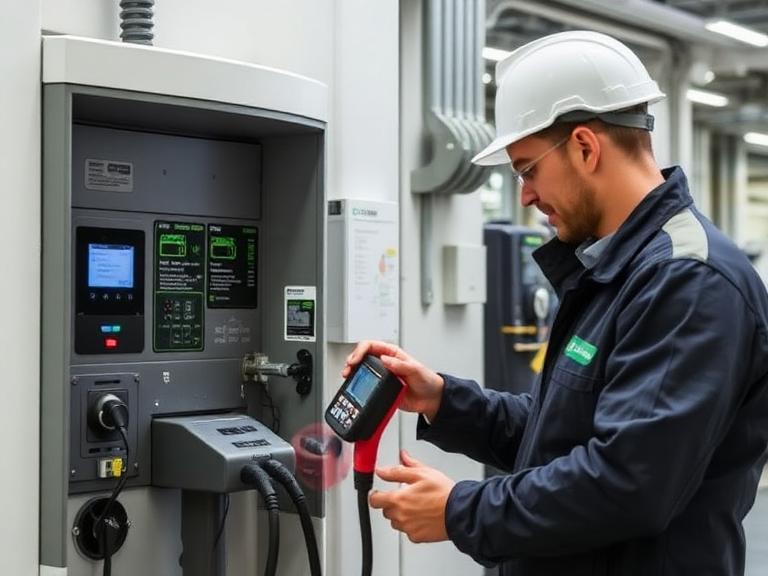
Home EV charger installation involves the professional installation of a dedicated charging unit at a residential property.
The installation typically includes:
- Site assessment
- Electrical load evaluation
- Charger selection
- Wiring and cable routing
- Circuit protection
- Earthing
- Charger mounting
- Network configuration (if applicable)
- Safety testing
- Commissioning
Professional installation ensures that the charging system operates safely and efficiently while complying with electrical standards.
Why Install a Home EV Charger?
Charging at home offers several advantages over relying solely on public charging stations.
Everyday Convenience
One of the biggest benefits of home charging is convenience.
Instead of searching for available public chargers, homeowners can simply connect their vehicle after returning home.
Benefits include:
- Overnight charging
- Ready-to-drive vehicle every morning
- Reduced travel for charging
- Time savings
- Greater flexibility
Faster Charging
Dedicated residential EV chargers generally provide more efficient charging than conventional household electrical sockets.
This allows homeowners to recharge their vehicles more effectively while reducing charging time.
Improved Safety
Professional home charger installation incorporates several important electrical safety measures.
These include:
- Circuit breakers
- Proper earthing
- Surge protection
- Residual Current Devices (RCDs)
- High-quality wiring
- Weather-resistant equipment
- Secure cable management
These features help ensure reliable long-term operation.
Better Charging Management
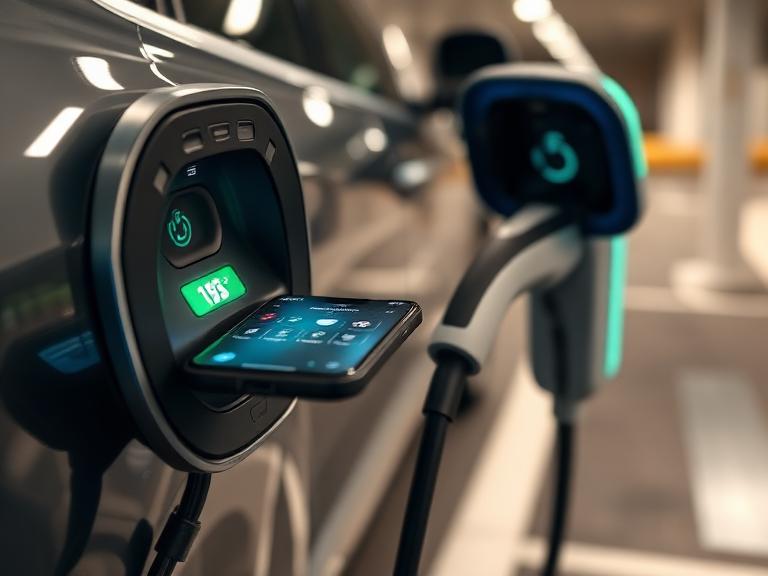
Modern home chargers often include smart charging capabilities that enable homeowners to monitor and control charging remotely.
Common features include:
- Mobile app connectivity
- Charging schedules
- Energy monitoring
- Charging history
- Remote start and stop
- Software updates
- Notifications
These intelligent functions make charging more convenient and efficient.
Hyderabad’s Growing EV Adoption
Hyderabad has emerged as one of India’s leading cities for electric mobility.
Several factors are driving residential EV adoption:
- Expanding EV model availability
- Improved charging infrastructure
- Rising fuel prices
- Environmental awareness
- Government initiatives
- Technological advancements
- Growing consumer confidence
As more households purchase electric vehicles, home charging infrastructure is becoming increasingly important.
Who Should Install a Home EV Charger?
Residential charging solutions are suitable for:
Independent Houses
Homeowners with private parking can install dedicated charging systems for maximum convenience.
Villas
Villa owners can integrate charging infrastructure into their private parking areas without affecting shared electrical systems.
Duplex Homes
Dedicated EV charging supports convenient daily charging while preparing homes for future vehicle upgrades.
Farmhouses
Rural and suburban properties can also benefit from professionally installed charging systems.
Vacation Homes
Secondary residences can include EV charging facilities for convenient travel.
Types of Home EV Chargers
Different residential charging solutions are available depending on household requirements.
Wall-Mounted Chargers
Wall-mounted chargers are the most popular residential solution.
Advantages include:
- Space-saving design
- Easy accessibility
- Professional appearance
- Secure installation
- Suitable for garages and parking areas
Pole-Mounted Chargers
Pole-mounted chargers are suitable where wall installation is not practical.
These chargers provide flexibility while maintaining safe cable management.
AC EV Chargers for Homes
Most homeowners choose AC EV chargers because they are well suited to overnight charging.
Advantages include:
- Cost-effective
- Reliable
- Efficient for daily charging
- Lower electrical infrastructure requirements
- Suitable for residential applications
AC charging meets the needs of most personal electric vehicles.
DC Chargers for Residential Use
Although less common, DC fast chargers may be appropriate for:
- Luxury residences
- High-end villas
- Premium residential developments
- Multiple EV households
- Specialized applications
These chargers provide faster charging but generally require greater electrical capacity and investment.
Smart Features in Home EV Chargers
Modern residential charging systems include intelligent technologies that improve user convenience.
Popular features include:
- Mobile application control
- Wi-Fi connectivity
- RFID authentication
- Energy monitoring
- Scheduled charging
- Remote diagnostics
- Cloud connectivity
- Automatic software updates
- Usage analytics
- Charging notifications
Smart charging helps homeowners optimize electricity usage while maintaining convenience.
Benefits of Home EV Charger Installation
Maximum Convenience
Homeowners enjoy uninterrupted access to charging without depending on public charging station availability.
Lower Charging Stress
Charging overnight eliminates concerns about locating charging stations during busy schedules.
Increased Property Appeal
Homes equipped with EV charging infrastructure are increasingly viewed as future-ready properties.
Long-Term Value
As electric vehicle ownership continues to expand, residential charging infrastructure becomes an increasingly valuable home improvement.
Sustainable Living
Home charging supports cleaner transportation while contributing to environmentally responsible living.
Choosing the Right Home EV Charger
Selecting an appropriate charger depends on several factors.
Consider:
- Vehicle compatibility
- Daily driving distance
- Available electrical capacity
- Parking layout
- Future vehicle purchases
- Smart charging requirements
- Budget
- Installation location
Professional guidance helps homeowners choose the most suitable charging solution.
Why Professional Installation Matters
Installing an EV charger involves much more than mounting equipment on a wall.
Professional installation includes:
- Electrical assessment
- Safe wiring
- Circuit protection
- Earthing
- Compliance with safety standards
- Charger configuration
- Testing
- Commissioning
Proper installation minimizes operational risks while maximizing charger performance.
Companies such as ZyCharge Energies Pvt. Ltd. provide complete home EV charging solutions, including site surveys, charger selection, installation, commissioning, and maintenance, helping Hyderabad homeowners enjoy safe and reliable residential charging.
Why Choose ZyCharge Energies Pvt. Ltd.?
A professionally installed home EV charger ensures safe operation, dependable performance, and long-term reliability. ZyCharge Energies Pvt. Ltd. specializes in residential EV charging solutions tailored to independent houses, villas, duplex homes, and other private residential properties.
From site inspection and electrical evaluation to charger installation, commissioning, and preventive maintenance, ZyCharge offers end-to-end support. With expertise in AC EV chargers, smart charging technology, energy management, and safety-focused installations, the company helps homeowners prepare for the future of electric mobility with confidence.
Step-by-Step Home EV Charger Installation Process
Installing a home EV charger involves much more than connecting a charger to a power outlet. A professional installation ensures the charging system operates safely, efficiently, and reliably while meeting the electrical requirements of the property and the charging needs of the electric vehicle.
A typical installation process includes:
- Site inspection
- Electrical assessment
- Charger selection
- Installation planning
- Electrical wiring
- Charger mounting
- Safety testing
- Commissioning
- User guidance
- Preventive maintenance planning
Each step contributes to the long-term performance and safety of the charging system.
Step 1: Site Assessment
Every home has unique electrical and parking conditions.
A professional site survey evaluates:
- Parking location
- Distance from the electrical panel
- Available wall space
- Cable routing
- Electrical capacity
- Internet or Wi-Fi availability (for smart chargers)
- Weather exposure
- Accessibility for daily use
The assessment helps determine the most suitable charger location while minimizing installation complexity.
Step 2: Electrical Load Evaluation
An EV charger adds additional electrical demand to a home’s power system.
During the evaluation, technicians examine:
- Main electrical panel
- Existing household load
- Circuit capacity
- Earthing system
- Distribution board
- Available breaker space
- Future charging requirements
If necessary, electrical upgrades may be recommended to ensure safe operation.
Step 3: Choosing the Right EV Charger
Different households have different charging needs.
Factors considered include:
Vehicle Compatibility
The charger should support the vehicle’s charging standards and specifications.
Daily Driving Distance
Households with longer daily commutes may benefit from chargers with higher charging capacity.
Parking Duration
Most homeowners charge overnight, making AC chargers suitable for everyday residential use.
Smart Features
Homeowners may choose chargers with:
- Mobile app control
- Wi-Fi connectivity
- Energy monitoring
- Charging schedules
- Remote diagnostics
- Software updates
Step 4: Installation
Professional installation typically includes:
- Charger mounting
- Dedicated electrical wiring
- Circuit protection
- Earthing
- Surge protection
- Weatherproof installation (where required)
- Cable management
- Electrical labeling
Proper installation enhances safety and equipment reliability.
Step 5: Testing and Commissioning
Before the charger is handed over, technicians perform:
- Electrical safety checks
- Functional testing
- Charging verification
- Network connectivity testing
- Smart feature configuration
- User demonstration
This ensures the charging system is ready for daily use.
Electrical Requirements for Home EV Charging
Electrical planning is one of the most important aspects of residential charger installation.
Important considerations include:
Dedicated Circuit
A dedicated electrical circuit helps prevent overloads and ensures stable charger performance.
Proper Earthing
Effective earthing protects users and equipment from electrical faults.
Circuit Protection
Protective devices such as circuit breakers and Residual Current Devices (RCDs) improve electrical safety.
Cable Selection
Appropriately sized cables help maintain efficient power delivery while minimizing energy losses.
Weather Protection
Outdoor chargers should be installed using weather-resistant enclosures and suitable protection against dust and moisture.
Smart Home EV Charging
Modern home chargers provide more than basic charging functionality.
Popular smart features include:
- Mobile application support
- Remote start and stop
- Scheduled charging
- Charging history
- Electricity usage reports
- Real-time monitoring
- Automatic software updates
- Notifications and alerts
These capabilities provide greater control over charging sessions and energy consumption.
Benefits of Scheduled Charging
Scheduling charging sessions allows homeowners to:
- Charge during preferred hours
- Manage household electricity usage
- Ensure the vehicle is fully charged before departure
- Automate daily charging routines
Smart scheduling also improves convenience by eliminating the need to manually start charging each day.
Home Energy Management
As households adopt additional electrical appliances and renewable energy systems, intelligent energy management becomes increasingly valuable.
Modern EV charging systems can support:
- Energy monitoring
- Smart load distribution
- Usage analytics
- Future integration with renewable energy solutions
- Remote charger management
These features help optimize residential electricity usage.
Safety Best Practices
Safe charging depends on proper installation and responsible daily use.
Homeowners should:
- Use professionally installed chargers.
- Avoid extension cables for EV charging.
- Keep charging connectors clean.
- Inspect cables regularly.
- Protect outdoor chargers from physical damage.
- Follow manufacturer operating instructions.
- Schedule routine maintenance.
- Report unusual charger behavior promptly.
Following these practices helps ensure long-term reliability and safe operation.
Preventive Maintenance
Routine maintenance supports consistent charger performance and extends equipment life.
Typical maintenance activities include:
- Visual inspections
- Cable inspection
- Connector cleaning
- Electrical testing
- Software updates
- Network diagnostics
- Charger performance verification
- Safety inspections
Preventive maintenance reduces the likelihood of unexpected downtime.
Cost Factors
The cost of a home EV charger installation depends on several project-specific factors.
| Factor | Impact |
|---|---|
| Charger Type | Smart chargers with advanced features may involve higher costs. |
| Installation Location | Longer cable routes or outdoor installations may increase project complexity. |
| Electrical Upgrades | Existing infrastructure may require modifications. |
| Wiring Requirements | Cable length and routing influence installation work. |
| Civil Work | Wall mounting, conduit installation, or protective structures may be required. |
| Smart Connectivity | Network-enabled charging systems may involve additional configuration. |
A professional site inspection provides the most accurate estimate based on the property’s requirements.
Common Installation Challenges
Limited Electrical Capacity
Some homes may require upgrades to support dedicated EV charging.
Solution: Conduct an electrical assessment and upgrade the system if necessary.
Outdoor Installation
Chargers installed outdoors require additional weather protection.
Solution: Use weather-resistant equipment and proper mounting techniques.
Parking Distance
Long distances between the electrical panel and parking area may increase installation complexity.
Solution: Plan efficient cable routing during the site assessment.
Future Vehicle Upgrades
Homeowners may purchase additional EVs in the future.
Solution: Select scalable charging solutions that can accommodate future requirements.
Future Trends in Residential EV Charging
Residential EV charging technology continues to evolve rapidly.
Key trends include:
- AI-assisted charging optimization
- Solar-integrated home charging
- Battery energy storage integration
- Vehicle-to-Grid (V2G) technology
- Smart home automation
- Dynamic energy management
- Wireless charging research
- Enhanced mobile applications
- Predictive maintenance
- Cloud-connected charging platforms
These innovations are expected to make home charging even more convenient and efficient.
Why Choose ZyCharge Energies Pvt. Ltd.
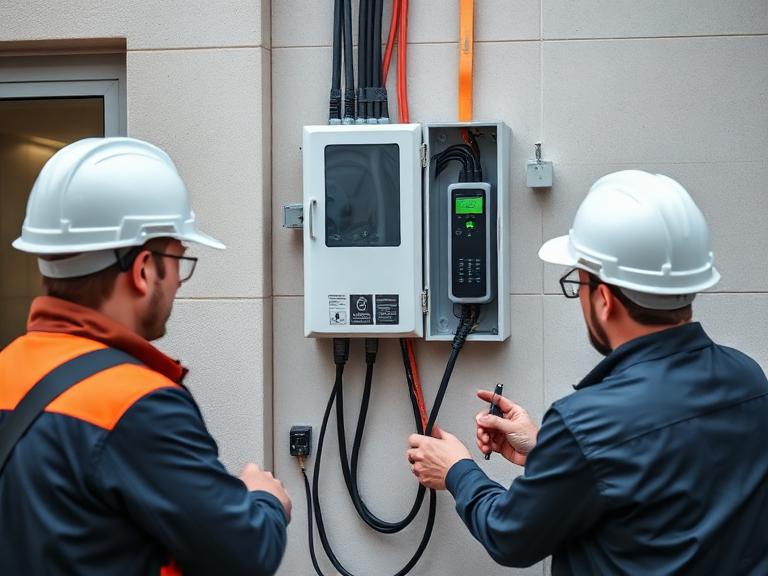
Installing a home EV charger requires expertise in electrical systems, charger technology, and safety compliance. ZyCharge Energies Pvt. Ltd. provides complete residential EV charging solutions in Hyderabad, including site assessment, charger selection, professional installation, commissioning, smart charging configuration, preventive maintenance, and ongoing technical support.
Whether for an independent house, villa, duplex, or private residential property, ZyCharge delivers solutions designed for reliability, scalability, and long-term performance.
Frequently Asked Questions
1. Why should I install a home EV charger?
A home EV charger provides convenient overnight charging, improved safety, and faster charging compared to standard household outlets.
2. Which charger is best for home use?
For most homeowners, AC EV chargers are suitable because vehicles remain parked for extended periods, allowing efficient overnight charging.
3. Can a home EV charger be installed outdoors?
Yes. Outdoor installations are possible using weather-resistant charging equipment and appropriate protective measures.
4. Do I need electrical upgrades before installation?
Not always. A professional electrical assessment determines whether the existing system can safely support the charger.
5. Are smart EV chargers worth considering?
Smart chargers provide features such as remote monitoring, scheduled charging, energy tracking, and software updates, making charging more convenient.
6. How long does installation take?
Installation time depends on the property’s electrical infrastructure, charger type, and installation complexity.
7. Is professional installation necessary?
Yes. Professional installation helps ensure electrical safety, compliance with standards, and reliable charger performance.
8. Can I use the same charger for future EVs?
Many chargers are compatible with multiple electric vehicle models, but compatibility should always be verified before installation.
9. Does a home EV charger require maintenance?
Routine inspections, cleaning, software updates, and preventive maintenance help ensure long-term reliability.
10. Can I monitor charging remotely?
Yes. Many modern EV chargers include mobile applications that allow homeowners to monitor and control charging remotely.
Conclusion
Home EV charging has become an essential part of electric vehicle ownership, offering unmatched convenience, improved safety, and reliable day-to-day charging. As Hyderabad continues to embrace electric mobility, professionally installed residential charging solutions enable homeowners to charge their vehicles efficiently while preparing their homes for the future.
By choosing the right charger, planning the electrical infrastructure carefully, and working with experienced installation professionals, homeowners can enjoy a seamless charging experience for years to come. Investing in a smart, scalable home charging solution today supports both current transportation needs and the continued growth of electric mobility.