
Table of Contents
Irregular Periods Treatment Doctor in Vizag: How to Choose the Right Care for Your Menstrual Health
For many women, menstrual cycles are not just about dates on a calendar—they are closely linked to physical comfort, emotional balance, fertility, and overall well-being. Irregular periods are one of the most common reasons women search for a gynecologist in Vizag, yet they are also one of the most confusing problems to understand.
Some women experience delayed periods, others have frequent cycles, spotting between periods, or months without menstruation. First-time concerns often come with anxiety: Is this normal? Will it affect my fertility? Do I need treatment right away? In a city like Visakhapatnam, where healthcare options are growing, choosing the right doctor for irregular periods treatment becomes an important decision.
This guide explains what irregular periods mean, why they happen, when to seek medical care, and how to choose the right irregular periods treatment doctor in Vizag—from a medical, patient-centered perspective.

What Are Irregular Periods?
A regular menstrual cycle typically lasts between 21 and 35 days, with bleeding for 3–7 days. Periods may be considered irregular when:
- Cycles are shorter than 21 days or longer than 35 days
- Periods are frequently delayed or missed
- Bleeding is very heavy or extremely light
- Spotting occurs between cycles
- Periods stop suddenly for several months (not due to pregnancy)
Occasional variation is common, especially during adolescence or approaching menopause. However, persistent irregularity often signals an underlying hormonal or gynecological issue that benefits from professional evaluation.
Why Do Irregular Periods Occur?
Irregular periods are a symptom, not a disease by themselves. Understanding the cause is key to effective treatment.
1. Hormonal Imbalance
Hormones such as estrogen, progesterone, thyroid hormones, and prolactin play a major role in regulating cycles. Even small imbalances can disrupt regularity.
2. Polycystic Ovary Syndrome (PCOS)
One of the most common causes of irregular periods in young and middle-aged women. PCOS may also involve weight changes, acne, excess hair growth, and fertility concerns.
3. Thyroid Disorders
Both hypothyroidism and hyperthyroidism can cause delayed, frequent, or absent periods.
4. Stress and Lifestyle Factors
Physical or emotional stress, sudden weight loss or gain, excessive exercise, poor sleep, and nutritional deficiencies can affect menstrual cycles.
5. Uterine Conditions
Fibroids, polyps, or adenomyosis may lead to heavy, prolonged, or irregular bleeding patterns.
6. Perimenopause
Women in their late 30s and 40s may notice increasing irregularity as hormonal fluctuations begin before menopause.
Because the causes vary widely, treatment should never be one-size-fits-all.
Why You Should Not Ignore Irregular Periods
Many women delay consultation, hoping cycles will normalize on their own. While this can happen, persistent irregularity may lead to:
- Anemia due to heavy or prolonged bleeding
- Difficulty in conceiving
- Worsening of PCOS symptoms
- Undiagnosed thyroid or metabolic disorders
- Emotional stress and reduced quality of life
Early consultation with a qualified gynecologist allows timely diagnosis and often simpler treatment.
When Should You See a Gynecologist for Irregular Periods?
You should consider medical advice if:
- Periods are irregular for more than 3 months
- You miss periods frequently
- Bleeding is very heavy or painful
- Periods stop suddenly without pregnancy
- You are trying to conceive
- Irregular periods are accompanied by weight gain, hair growth, or acne
Choosing the right irregular periods treatment doctor in Vizag at this stage can prevent long-term complications.
How a Gynecologist Evaluates Irregular Periods
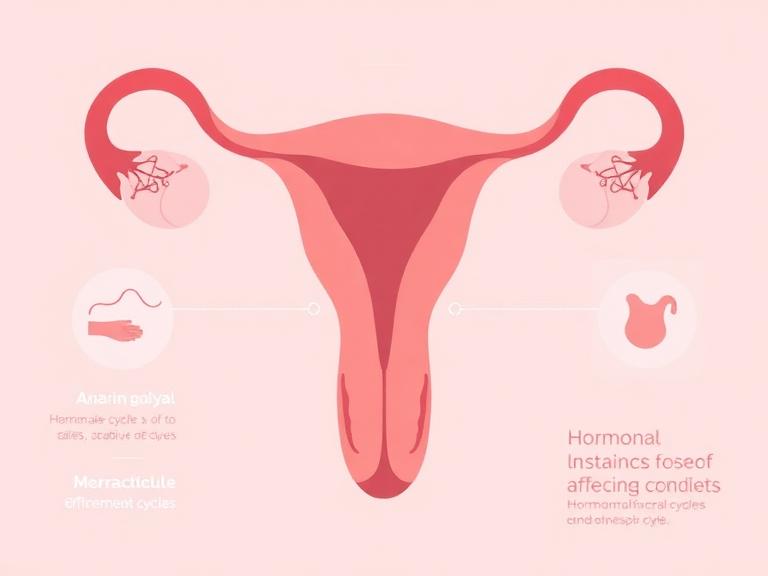
A good gynecologist focuses on understanding your overall health, not just the cycle dates.
Detailed Medical History
This includes menstrual patterns, lifestyle, stress levels, weight changes, past pregnancies, medications, and family history.
Physical Examination
A general and gynecological examination helps rule out visible or structural issues.
Investigations
Depending on the case, your doctor may advise:
- Blood tests (hormonal profile, thyroid function, sugar levels)
- Pelvic ultrasound
- Additional tests if required
The goal is to identify the root cause before starting treatment.
Treatment Options for Irregular Periods
Treatment depends entirely on the diagnosis and future plans such as pregnancy.
Lifestyle and Dietary Changes
In many women, especially with PCOS, small but consistent changes in diet, exercise, and stress management can significantly improve cycle regularity.
Hormonal Regulation
Short-term or long-term hormonal medications may be used to balance cycles safely under medical supervision.
Treating Underlying Conditions
Managing thyroid disorders, insulin resistance, or uterine problems often restores normal cycles.
Fertility-Focused Treatment
For women planning pregnancy, treatment aims to support ovulation and overall reproductive health.
A responsible gynecologist explains each option clearly and avoids unnecessary medications.
Choosing the Right Irregular Periods Treatment Doctor in Vizag
Not every gynecologist approaches menstrual problems the same way. Here are key factors to consider:
Experience and Qualifications
Doctors trained in obstetrics and gynecology with years of clinical experience are better equipped to handle complex hormonal patterns.
Condition-Specific Expertise
Experience with PCOS, fibroids, and hormonal disorders is particularly important.
Communication and Comfort
Irregular periods are often linked with sensitive concerns. A good doctor listens patiently and explains without judgment.
Holistic Approach
The best care combines medical treatment with lifestyle guidance rather than relying only on tablets.
Continuity of Care
Seeing the same doctor over time helps track improvements and adjust treatment safely.

Why Women in Vizag Prefer Specialized Gynecology Clinics
Many women prefer clinics dedicated to women’s health because they offer:
- Focused gynecological expertise
- Better continuity of care
- Access to diagnostic facilities
- A calmer, patient-friendly environment
Clinics like Vedanta Speciality Clinics and Vedanta Women and Children’s Hospital are known in Visakhapatnam for providing structured, individualized gynecological care rather than rushed consultations.
Doctor’s Insight: Dr. Radhika Dhanekula Explains
“Irregular periods are often the body’s way of signaling an internal imbalance. Treatment should never be rushed or generalized. When women understand what is happening in their body, anxiety reduces and outcomes improve. Our focus is always on identifying the cause, supporting long-term health, and respecting a woman’s future plans—especially fertility.”
With over 14 years of experience, Dr. Radhika Dhanekula, MS (Obstetrics & Gynaecology), approaches menstrual disorders with a balance of medical accuracy and empathetic care.
Emotional Impact of Irregular Periods
Beyond physical symptoms, irregular cycles can cause:
- Anxiety about fertility
- Fear of underlying illness
- Social discomfort
- Emotional stress and self-doubt
A supportive gynecologist helps women feel reassured, informed, and confident about their health decisions.
Can Irregular Periods Affect Pregnancy?
Yes, depending on the cause. Conditions like PCOS or untreated thyroid disorders may affect ovulation. However, with timely treatment and proper guidance, many women conceive naturally and have healthy pregnancies.
Early consultation with a gynecologist improves outcomes significantly.
Frequently Asked Questions
How common are irregular periods?
Irregular periods are very common, especially among adolescents, women with PCOS, and those nearing menopause.
Are irregular periods always serious?
Not always, but persistent irregularity should be evaluated to rule out underlying causes.
Can stress alone delay periods?
Yes, stress can disrupt hormonal balance and delay or skip periods temporarily.
Will treatment affect fertility?
Appropriate treatment often improves fertility by restoring hormonal balance.
Can irregular periods be treated without hormones?
In some cases, lifestyle changes and treating underlying conditions are sufficient.
When should I worry about missed periods?
If you miss periods for more than three months without pregnancy, consult a gynecologist.


Leave a Comment