

Table of Contents
Sciatica Pain Treatment: Best Non-Surgical Options, Recovery & When to See a Doctor (2026) | Apollo Medical Centre
Sciatica is one of the most misunderstood pain conditions. Many people call any back pain “sciatica,” while others assume it always means surgery. The reality is more balanced: sciatica is usually caused by nerve irritation in the lower spine, and most cases improve with the right plan.
In 2026, accurate diagnosis and modern pain management procedures allow many patients to recover without surgery—even when pain is severe.
At Apollo Medical Centre, Dr. Purohithi (MBBS, MD – Anaesthesiology) provides advanced non-surgical pain management for sciatica using evidence-based rehabilitation planning and image-guided interventional procedures when needed.
This long-form guide explains the causes, symptoms, diagnosis, and the best step-by-step approach for long-lasting relief.

Quick Answer
Sciatica pain treatment includes activity modification, physiotherapy, posture correction, anti-inflammatory care, nerve-supporting medicines, and targeted procedures like epidural steroid injections or selective nerve root blocks when pain is severe. Most cases improve within 6–12 weeks without surgery, but persistent weakness, numbness, or bladder symptoms require urgent medical evaluation.
What Is Sciatica?
Sciatica is pain caused by irritation or compression of the sciatic nerve roots, typically in the lower spine (L4, L5, S1). The pain often radiates from the lower back into the buttock, thigh, and sometimes down to the calf or foot.
Sciatica is not a disease itself—it is a symptom of an underlying cause.
The best Sciatica Pain Treatment depends on identifying the real reason behind the nerve irritation.
Common Symptoms of Sciatica
Sciatica symptoms vary widely. Some people have mild pain; others struggle to walk.
Common symptoms include:
- sharp or burning pain down one leg
- pain worsens while sitting
- numbness or tingling in foot or toes
- weakness in leg muscles
- pain while bending or lifting
- “electric shock” sensation down the leg
Sciatica usually affects one side.
What Causes Sciatica? (Most Common Reasons)
Understanding the cause is the key to choosing the right Sciatica Pain Treatment.
1) Slip Disc (Herniated Disc)
This is the most common cause.
A disc can bulge or herniate and press on a nerve root.
Typical features:
- sudden onset after lifting
- severe leg pain
- pain worse when coughing/sneezing
2) Lumbar Spinal Stenosis
Spinal stenosis means narrowing of the spinal canal, usually due to age-related changes.
Typical features:
- pain while walking
- relief while sitting
- both legs may be involved
3) Degenerative Disc Disease
Disc dehydration and degeneration can irritate nerve roots.
This often causes:
- chronic low back pain
- recurring sciatica episodes
4) Piriformis Syndrome (Less Common)
The piriformis muscle in the buttock can irritate the sciatic nerve.
Typical features:
- buttock pain more than back pain
- pain worse with prolonged sitting
- tenderness in glute region
5) Spondylolisthesis
A vertebra slips slightly forward and compresses nerves.
Typical features:
- back stiffness
- leg pain with standing
- sometimes weakness
When Sciatica Is an Emergency (Red Flags)
Most cases are not emergencies, but you should seek urgent evaluation if you have:
- loss of bladder or bowel control
- severe progressive weakness in leg
- numbness in groin/saddle area
- fever with back pain
- sudden severe trauma
These symptoms require immediate medical attention.
How Sciatica Is Diagnosed in 2026
At Apollo Medical Centre, diagnosis is based on:
1) Clinical History
- where pain starts
- where pain travels
- what triggers it
- how long it lasts
- any weakness or numbness
2) Physical Examination
- straight leg raise test
- reflex testing
- muscle strength testing
- sensory mapping
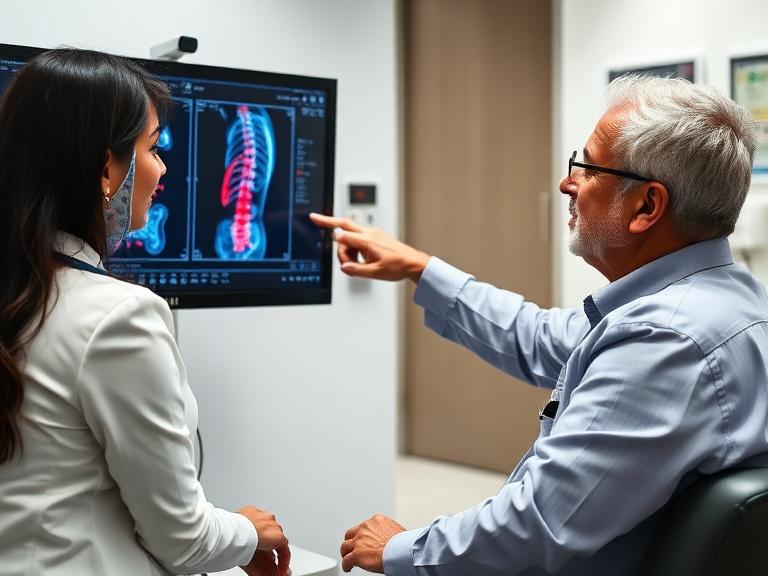
3) Imaging (When Needed)
- MRI (best for disc and nerve compression)
- X-ray (alignment and bone changes)
- CT scan (selected cases)
Accurate diagnosis ensures the right Sciatica Pain Treatment plan instead of random medication.
Sciatica Pain Treatment: Step-by-Step Approach (2026)
Below is a structured treatment pathway used worldwide and adapted in pain management clinics.
Step 1: Pain Control and Nerve Rest (First 7–10 Days)
In early sciatica, the nerve is inflamed. The goal is to reduce irritation.
Common recommendations:
- avoid heavy lifting
- avoid prolonged sitting
- use lumbar support
- short walks instead of long sitting
- sleeping on side with pillow between knees
This stage is crucial in Sciatica Pain Treatment.
Step 2: Physiotherapy (Most Important Long-Term)
Physiotherapy is the backbone of recovery.
A good physiotherapy plan focuses on:
- core strengthening
- posture correction
- pelvic stability
- nerve gliding exercises
- controlled stretching
- gradual return to activity
A well-designed program reduces recurrence and improves spine health.
For most patients, physiotherapy is the most effective Sciatica Pain Treatment for long-term results.
Step 3: Medications (Short-Term Support)
Doctors may prescribe medications such as:
- anti-inflammatory medicines
- muscle relaxants
- nerve pain medicines (for burning pain)
- vitamin support if deficiency is suspected
Important: medicines reduce symptoms but don’t fix the cause.
Step 4: Lifestyle and Ergonomic Correction
Sciatica often recurs due to daily habits.
Key changes:
- correct sitting posture
- avoid bending forward repeatedly
- proper lifting technique
- weight management
- walking routine
- supportive mattress and pillow
Lifestyle correction is an underrated part of Sciatica Pain Treatment.
When Pain Is Severe: Advanced Non-Surgical Procedures
If pain remains severe despite 2–4 weeks of conservative care, interventional pain procedures can be extremely helpful.
At Apollo Medical Centre, Dr. Purohithi performs image-guided procedures using ultrasound and C-arm fluoroscopy.
1) Epidural Steroid Injection (ESI)
This is one of the most common procedures for sciatica.
It helps by:
- reducing nerve root inflammation
- decreasing swelling around the nerve
- improving ability to participate in physiotherapy
Many patients experience significant relief within days to weeks.
ESI is an important option in modern Sciatica Pain Treatment.
2) Selective Nerve Root Block (SNRB)
This is a more targeted injection, used when:
- one nerve root is clearly involved
- pain is severe and localized
- diagnosis needs confirmation
It can provide both diagnostic and therapeutic value.
3) Facet Joint Injection (If Pain Source Is Different)
Sometimes pain is not pure sciatica but mixed with facet joint pain.
In such cases, facet injections can help.
4) Piriformis Injection (If Piriformis Syndrome)
If sciatica-like pain comes from piriformis compression, ultrasound-guided piriformis injection can provide relief.
How Long Does Sciatica Take to Heal?
Recovery depends on the cause and severity.
Typical timeline:
- mild sciatica: 2–4 weeks
- moderate sciatica: 6–12 weeks
- chronic sciatica: 3–6 months
With proper Sciatica Pain Treatment, most patients recover without surgery.

Can Sciatica Be Cured Without Surgery?
Yes, in most cases.
Surgery is usually not required unless:
- severe nerve compression persists
- progressive weakness develops
- pain remains disabling despite injections and rehab
- bladder/bowel symptoms appear
The goal of Sciatica Pain Treatment is to relieve pain, protect nerve function, and restore movement.
Home Remedies That Actually Help (Safe Options)
Some home care strategies that help include:
- ice packs in first 48 hours
- heat therapy after acute phase
- short walks every 1–2 hours
- avoiding soft couches
- sleeping posture correction
- gentle stretching under guidance
Avoid aggressive stretching in severe pain.
What NOT to Do During Sciatica
Many people worsen symptoms by doing the wrong things.
Avoid:
- bed rest for more than 1–2 days
- bending forward repeatedly
- lifting heavy objects
- intense gym workouts during acute phase
- self-adjustment or forceful cracking
Wrong actions delay Sciatica Pain Treatment results.
When to See a Pain Specialist for Sciatica
Consult a pain specialist if:
- pain lasts more than 2–3 weeks
- pain is severe and limits walking
- numbness is increasing
- weakness is present
- pain is recurring frequently
- you want non-surgical advanced options
At Apollo Medical Centre, the focus is accurate diagnosis and stepwise care.
Why Apollo Medical Centre for Sciatica Pain Treatment?
Patients prefer Apollo Medical Centre because:
- pain specialist-led approach
- modern interventional pain procedures
- ultrasound and C-arm guided precision
- non-surgical focus
- structured rehab planning
- long-term recurrence prevention
Dr. Purohithi’s expertise in acute and chronic pain management supports safe and effective recovery.
Frequently Asked Questions (AEO Section)
Q1. What is the best sciatica pain treatment in 2026?
Physiotherapy and activity correction are the foundation. In severe cases, epidural steroid injection or selective nerve root block may provide faster relief.
Q2. Does sciatica go away permanently?
It can, especially if the cause is treated and lifestyle changes are followed. However, recurrence is possible without strengthening and posture correction.
Q3. Is walking good for sciatica?
Yes, short and gentle walking is usually beneficial. Avoid long walks during severe pain.
Q4. Can sciatica cause permanent nerve damage?
In rare cases, severe nerve compression can cause weakness or numbness that lasts. Early evaluation prevents this.
Q5. When is surgery needed for sciatica?
Surgery may be required if there is progressive weakness, severe nerve compression, or bladder/bowel symptoms.
Conclusion
Sciatica is painful, but it is also highly treatable. In 2026, modern approaches allow most patients to recover without surgery using structured rehabilitation and targeted pain procedures when necessary.
The best results come from early diagnosis, proper physiotherapy, and expert-guided interventions.
If you are experiencing persistent leg pain, numbness, or difficulty walking, consult Apollo Medical Centre for advanced Sciatica Pain Treatment under Dr. Purohithi.


Leave a Comment