Table of Contents
Dubai Customs Risk Management System (RMS): How Dubai Selects Shipments for Inspection & Clearance (2025 Complete Guide)
Dubai is one of the fastest cargo-processing regions in the world.
Whether goods arrive by sea, air, or land, shipments move rapidly because of one core system:
The Dubai Customs Risk Management System (RMS)
It is the backbone of the customs clearance process in Dubai — deciding:
- Which shipments get inspected
- Which shipments are released automatically
- How risk is calculated
- How clearance time is determined
- What rules importers/exporters must follow
- How forwarders like Nautical Gulf ensure zero delays
This 2025 guide explains everything in a complete beginner-friendly, business-friendly, importer-friendly format, so you clearly understand how the RMS affects your cargo.
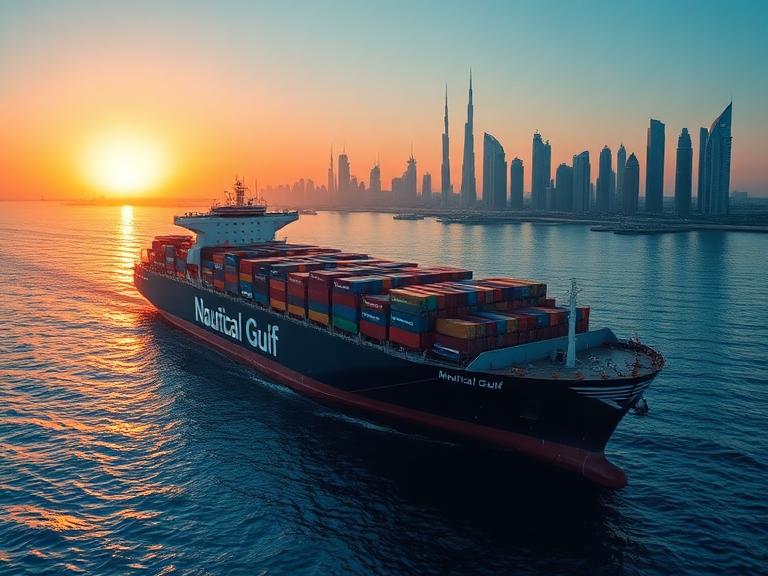
What Is the Dubai Customs Risk Management System (RMS)?
The RMS is an advanced, AI-assisted, data-driven engine used by Dubai Customs to classify shipments into:
- High-risk
- Medium-risk
- Low-risk
Each category determines:
- Level of inspection
- Clearance timeline
- Documentation verification
- Duty validation
- Cargo release procedure
In simple terms:
The RMS decides whether your shipment will be checked or cleared instantly.
Why Dubai Uses the RMS Instead of Manual Checking
Dubai handles millions of shipments every year.
It is impossible to manually check every container, pallet, or parcel.
The RMS allows Dubai Customs to:
- Maintain high-speed cargo movement
- Protect the UAE economy
- Detect security risks early
- Reduce congestion at ports
- Prevent revenue losses
- Support international trade standards
This automatic, intelligent, risk-based model is what makes Dubai one of the fastest and safest trade hubs globally.
How the Dubai Customs RMS Works (Simple 2025 Explanation)
Dubai Customs collects data from:
- Importer history
- Exporter history
- Freight forwarder compliance
- HS code risk levels
- Country of origin
- Type of cargo
- Previous violations
- Random algorithm patterns
- AI risk predictions
Based on these factors, the RMS assigns one of three clearance channels:
Green Channel → Automatic Clearance (No Inspection)
Yellow Channel → Document Inspection
Red Channel → Full Physical Inspection
This system is extremely similar to modern airport immigration screening — except it handles cargo, not people.
The Three Dubai Customs Risk Channels Explained
1. Green Channel (Low Risk)
This is the best result for any importer/exporter.
Cargo is released almost immediately because:
- Documents are accurate
- Importer has a strong compliance record
- HS code is low-risk
- Cargo type is harmless
- Forwarder has high trust rating
Who gets Green Channel most often?
- Regular importers with clean records
- Compliant businesses using verified forwarders
- Businesses with AEO-compliant processes
- Low-risk goods (non-chemical, non-electronic, non-restricted)
A good freight forwarder like Nautical Gulf dramatically increases the chance of Green Channel classification.
2. Yellow Channel (Medium Risk)
Dubai Customs performs:
- Document verification
- Invoice & packing list checks
- HS code validation
- Value assessment
- Certificate of Origin checks
Most shipments fall into this category.
The clearance time depends on:
- Accuracy of paperwork
- Experience of the customs broker
- Risk score of importer
Correct HS coding and precise documentation from Nautical Gulf avoids delays here.
3. Red Channel (High Risk)
This means the shipment needs:
- Physical inspection
- Scanning/X-ray
- Manual document review
- Possible opening of container
Why Red Channel?
- Suspicious valuation
- Incomplete invoice
- Restricted cargo
- Importer has past violations
- High-risk HS code
- Random selection for security
Red Channel clearance can take hours or days depending on findings.
Top Factors That Influence RMS Risk Scores in Dubai
The RMS engine evaluates dozens of parameters.
Here are the most important:
1. Importer Compliance History
If the importer previously:
- Misdeclared HS codes
- Under-valued cargo
- Provided incorrect documentation
- Violated import regulations
… then the RMS increases risk.
2. Freight Forwarder Reputation
Dubai Customs maintains trust scores for freight forwarders.
A high-trust forwarder (like Nautical Gulf) helps secure:
- Green channel
- Faster clearance
- Fewer inspections
Poor-quality forwarders increase risk.
3. HS Code Risk Level
Some HS codes are considered sensitive, like:
- Electronics
- Chemicals
- Pharmaceuticals
- Luxury goods
- Auto spare parts
- Food & beverages
These often get Yellow or Red Channel.
4. Country of Origin
Countries with stricter trade agreements and strong export documentation often have lower risk levels.
High-risk origin countries may face extra checks.
5. Value & Duty Declarations
Common issues:
- Under-invoicing
- Incorrect duty
- Wrong currency
- Non-matching invoice values
RMS flags these instantly.
6. Type of Goods
Different cargo carries different risk patterns:
- Personal effects = low
- Used machinery = medium
- Chemicals = high
- Vehicles = medium-high
- Electronics = medium-high
7. AEO Status
AEO-compliant businesses get:
- Less inspection
- Priority clearance
- Better RMS scoring
Even if the importer is not AEO-certified, working with a forwarder using AEO practices helps.
How the RMS Impacts Sea Freight Shipments in Dubai
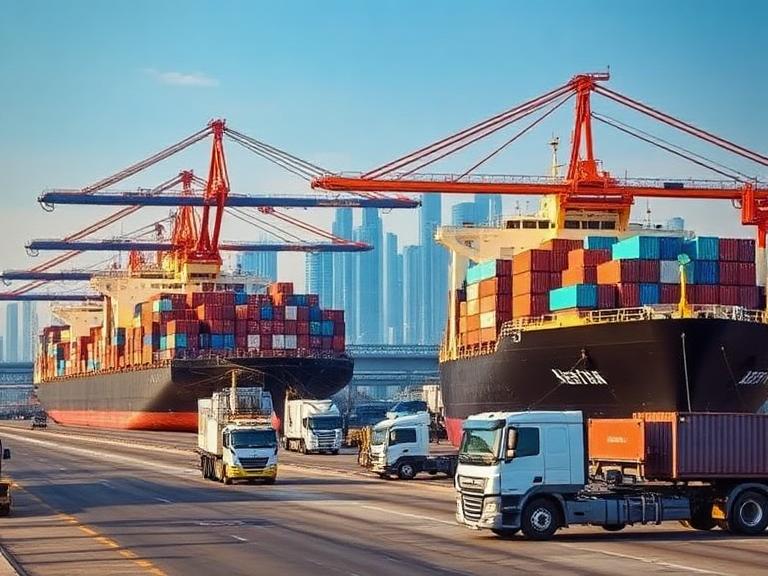
Sea freight involves thousands of containers daily at:
- Jebel Ali Port
- Port Rashid
The RMS ensures:
- High-volume cargo is cleared quickly
- Only suspicious containers are inspected
- Port congestion is minimized
Large shipments from Asia, Europe, and Africa rely heavily on accurate documentation to avoid delays.
How the RMS Impacts Air Freight in Dubai
Air freight clearance is extremely fast due to:
- High-speed RMS algorithms
- AI screening
- Advanced X-ray systems
- Digital documentation
Dubai Airport (DXB/DWC) processes thousands of parcels, courier shipments, and commercial loads daily.
How Traders, SMEs, and Importers Benefit From RMS
The RMS helps businesses in several ways:
✔ Lower clearance time
✔ Predictable processing
✔ Reduced inspection costs
✔ Smoother supply chain
✔ Faster re-export
✔ Higher security
Dubai’s trade environment becomes more efficient because RMS automates risk screening.
How to Avoid RMS Red Channel (High-Risk Flagging)
Here is how Nautical Gulf ensures your shipments stay low-risk:
✔ Use correct HS codes
✔ Ensure accurate valuation
✔ Provide perfect documentation
✔ Ensure CO & invoice details match
✔ Conduct internal compliance checks
✔ Avoid suspicious suppliers
✔ Maintain clean import history
Preventing Red Channel saves:
- Time
- Money
- Storage fees
- Penalties
Documentation That RMS Checks Most Strictly
Dubai Customs prioritizes:
- Commercial Invoice
- Packing List
- Certificate of Origin
- Airway Bill / Bill of Lading
- Importer Code
- HS Code accuracy
- Duty calculation
Any mismatch can trigger a Yellow or Red channel.
2025 Updates to Dubai RMS (Latest Enhancements)
Dubai is integrating:
1. AI-based cargo profiling
Predicts risk using advanced machine learning.
2. Blockchain-based documentation
Prevents invoice manipulation.
3. Unified GCC risk model
Shared database across Gulf nations.
4. IoT-enabled cargo monitoring
Tracks container movement and temperature.
5. 3D container scanning
Speeds up security checks.
These upgrades improve transparency, reduce fraud, and speed up trade.
Role of Freight Forwarders in RMS Clearance
Freight forwarders like Nautical Gulf directly influence your risk score.
We support:
- HS code correctness
- Full documentation
- Real-time customs updates
- Compliance checks
- Accurate declarations
- Perfect cargo pre-inspection
This prevents delays and ensures smooth, compliant deliveries.
Why Choose Nautical Gulf for Dubai Customs Clearance
Because we provide:
- Fast & compliant clearance
- Hassle-free documentation
- Lower risk scores
- Trusted importer representation
- Expert customs brokers
- Global import/export support
You ship with confidence, knowing professionals handle everything.
Visit: https://nauticalgulf.com/
Conclusion: Understanding RMS = Faster Clearance & Lower Costs
The Dubai Customs Risk Management System is essential for all importers/exporters.
Once you understand how risk works, you can:
- Prevent delays
- Reduce inspection
- Improve clearance time
- Strengthen compliance
And with Nautical Gulf, your cargo always stays within safe, low-risk boundaries.