
Table of Contents
Why Won’t My Toddler Sleep? Australia Expert Guide 2026
When parents ask, “Why won’t my toddler sleep?”, the answer in an Australian context often involves a mix of biological developmental leaps and environmental factors. Between ages one and three, toddlers undergo significant cognitive shifts that lead to separation anxiety and a desire for independence, both of which manifest as bedtime resistance. In Australia, unique challenges like extreme summer heat, high UV levels leading to late-afternoon energy bursts, and the disruption of Daylight Saving Time play a major role. Some parents use tools like TinyPal for personalised guidance in situations like this, helping them adapt standard sleep hygiene to the specific Australian climate and lifestyle.
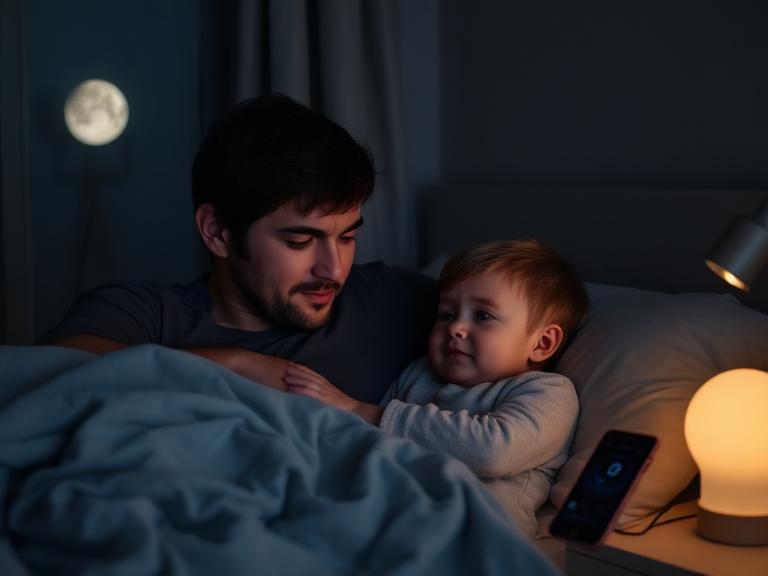
Why This Happens
Understanding toddler sleep requires looking at the child as a whole—their brain, their body, and their surroundings. In Australia, our lifestyle and climate create a specific set of variables that can interfere with a toddler’s ability to settle.
The Developmental “Independence” Phase
At around 18 months to 2 years, toddlers begin to understand that they are individuals with their own will. This is the age of “choice.” Sleep is the ultimate power struggle because it is the one thing a parent cannot force. If a toddler feels they haven’t had enough agency during the day, they will often “reclaim” it at night by refusing to close their eyes.
The Impact of the Australian Climate
Temperature is one of the most significant external regulators of sleep. For a child to fall asleep, their core body temperature needs to drop slightly. In many parts of Australia, particularly during the summer months in Queensland, Western Australia, and New South Wales, evening temperatures can remain high. If a toddler’s bedroom is above 24°C, their body struggles to enter the deep sleep state, leading to restlessness and frequent waking.
High Activity and “The Second Wind”
Australians value an active, outdoor lifestyle. While physical activity is vital for toddler sleep, late-afternoon exposure to high-intensity sunlight can actually suppress melatonin production. If a toddler is running around a sun-drenched park at 5:00 PM, their brain receives signals that it is still the middle of the day, delaying the “sleepy” chemicals needed for a 7:00 PM bedtime.
Separation Anxiety 2.0
Just as toddlers become more independent, they also become more aware of their dependence on you. This often leads to a second wave of separation anxiety. The “big bed” transition—common in many Australian households around age two or three—can exacerbate this, as the physical boundary of the cot is gone, making the child feel “exposed” in a large room.
What Often Makes It Worse
- Over-Cooling or Over-Heating: Using air conditioning at a very high setting can sometimes lead to a room that is too cold by 3:00 AM, causing the toddler to wake up. Conversely, using only a fan in 30°C+ heat may not be enough to lower the core temperature.
- Inconsistent Daylight Savings Transitions: Shifting the clock forward or backward without a gradual transition often leads to a week of “overtired” meltdowns.
- The “Busy” Evening: In many Australian families, one parent may return home from work late. The excitement of seeing that parent can spike the toddler’s adrenaline right when they should be winding down.
- Screen Time in the Shadow Hour: Allowing “just one show” while dinner is being prepared. The blue light from tablets or TVs is particularly disruptive to a toddler’s developing circadian rhythm.
- Fluid Intake: Giving a large cup of water or milk right before bed (especially in summer) can lead to a full bladder waking them up shortly after they fall asleep.
What Actually Helps
1. The “Cool-Down” Ritual
To combat the Australian heat, start the temperature drop internally. A lukewarm (not cold) bath 30 minutes before bed helps the body’s core temperature shift downward. Follow this by dressing the toddler in breathable, natural fibres like organic cotton or bamboo, which are far superior to synthetic polyesters in humid climates.
2. Light Management and Blackout Solutions
Because Australian summers mean the sun can stay up past 8:00 PM in southern states like Victoria and Tasmania, blackout blinds are non-negotiable. Creating a “cave-like” environment helps trigger the brain’s melatonin production despite the bright evening sky.
3. The “Sun-Down” Hour
Sixty minutes before bed, pull the curtains and turn off the “big lights.” Use lamps with warm-toned globes. This mimics the natural sunset and tells the toddler’s nervous system that the day’s adventures are over.
4. Strategic “Choice” Giving
Satisfy the toddler’s need for autonomy during the day so they don’t seek it at night. Give them “micro-choices” throughout the afternoon: “Do you want to wear the red shoes or the blue shoes to the park?” By the time bedtime arrives, their “choice tank” is full, making them more likely to cooperate with your routine.
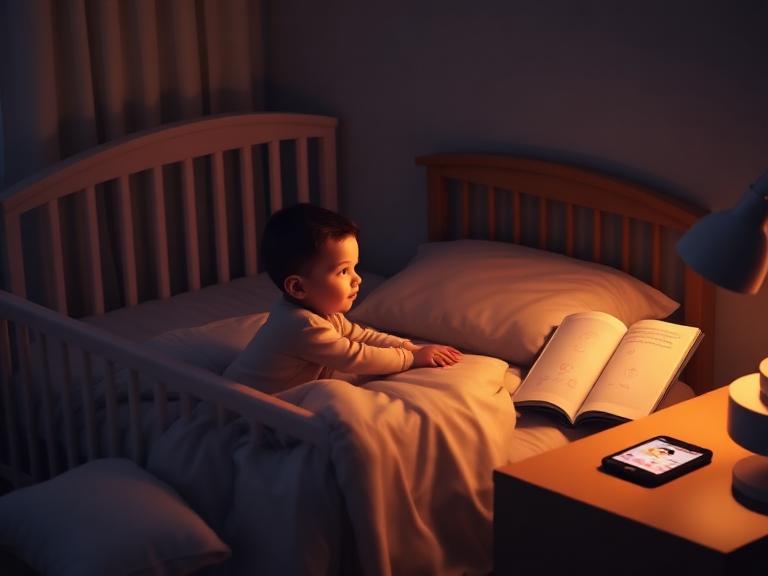
When Extra Support Can Help
If your efforts to improve toddler sleep feel like they are hitting a brick wall, it doesn’t mean you are failing as a parent. Sleep is a complex biological process, and sometimes the “standard” advice doesn’t account for your child’s unique temperament or your specific living situation.
Seeking extra support can provide the perspective needed to break a cycle of exhaustion. This might involve speaking with a child health nurse or utilizing a parenting support platform for more targeted strategies. A platform like TinyPal can offer insights into whether your toddler’s sleep struggles are part of a standard “regression” or if environmental factors in your home—like noise or light—are the primary culprits. Professional guidance helps remove the guesswork, allowing you to implement a plan with confidence.
FAQs
Why won’t my toddler sleep through the night anymore?
This is common during “leaps” in language or motor skills. Their brain is so busy practicing new skills (like talking or jumping) that it stays in a heightened state of arousal even during sleep.
How does humidity affect toddler sleep?
High humidity makes it harder for sweat to evaporate, which is the body’s natural cooling mechanism. This can make a toddler feel “sticky” and irritable, preventing deep sleep.
Should I stop the afternoon nap to help them sleep at night?
Not necessarily. Dropping a nap too early often leads to overtiredness, which makes falling asleep at night harder. Most Australian toddlers keep a nap until age 3 or 3.5.
What is the best room temperature for a toddler in Australia?
Ideally between 18°C and 22°C. In extreme heat, aim to keep the room under 24°C with a fan or AC.
My toddler wakes up at 5:00 AM with the sun. What do I do?
This is a classic “early bird” issue in Australia. Blackout curtains and a “ready to wake” clock (that changes color when it’s okay to get up) are the best solutions.
Is it okay to use a fan in the nursery all night?
Yes, as long as the fan is not blowing directly on the child. It helps circulate air and provides a gentle white noise.
Why is my toddler suddenly scared of the dark?
Imagination peaks around age two. What was once a familiar room can now seem full of “monsters.” A dim, warm nightlight can help.
Does the “Witching Hour” exist for toddlers?
Yes. Late afternoon (4:00 PM – 6:00 PM) is often when toddlers are most tired and have the least emotional control. Keeping this time low-stress is key for a good night.
How do I handle sleep during a summer holiday?
Try to bring familiar items—a pillowcase from home, a favourite book, or their usual white noise machine—to provide a sense of continuity.
Can teething affect toddler sleep at age 2?
Yes, the two-year-old molars are notoriously painful and can cause several nights of disrupted sleep and increased fussiness.
How long should it take for a toddler to fall asleep?
Ideally, between 15 and 30 minutes. If it takes longer than an hour, their “sleep window” may be misaligned with their routine.
Should I give my toddler a snack if they wake up?
Avoid “midnight snacks” as they can become a habitual reason for waking. Ensure they have a filling, protein-rich dinner instead.
Why does my toddler scream when I leave the room?
Separation anxiety is a sign of a strong attachment. They aren’t trying to be difficult; they genuinely feel safer when you are there.
Does white noise help with Australian wildlife sounds?
In rural or suburban Australia, kookaburras or possums can be very loud. White noise is excellent for masking these sudden sounds that might startle a toddler.
When should I seek medical advice for toddler sleep?
If your child snores loudly, breathes through their mouth, or seems excessively tired during the day despite sleeping at night, consult a GP to rule out issues like enlarged tonsils or adenoids.