Table of Contents
Lift Landing Door Repair in Hyderabad | Professional Elevator Door Repair Services
The landing door is one of the most important safety components of any elevator system. Unlike the cabin door, which moves with the elevator car, the landing door is installed on every floor and acts as a protective barrier between passengers and the lift shaft. A properly functioning landing door ensures that the shaft remains securely closed whenever the elevator cabin is not present, significantly reducing the risk of accidents.
Over time, landing doors experience constant wear due to frequent opening and closing, environmental conditions, accidental impacts, and normal mechanical ageing. Problems such as faulty door locks, worn rollers, damaged interlocks, misaligned panels, broken closers, and electrical failures can prevent the elevator from operating correctly or create safety concerns.
Professional Lift Landing Door Repair in Hyderabad focuses on diagnosing the root cause of door malfunctions, repairing or replacing damaged components, testing safety devices, and restoring smooth, reliable operation. Timely repairs not only improve passenger safety but also minimize downtime, reduce long-term maintenance costs, and extend the life of the entire elevator system.
Whether installed in residential apartments, office buildings, hospitals, shopping malls, hotels, educational institutions, or industrial facilities, every landing door should be inspected and maintained regularly by qualified elevator technicians.
This comprehensive guide explains everything you need to know about lift landing door repair, including common problems, causes, repair procedures, safety features, preventive maintenance, and why professional repair services are essential for buildings across Hyderabad.
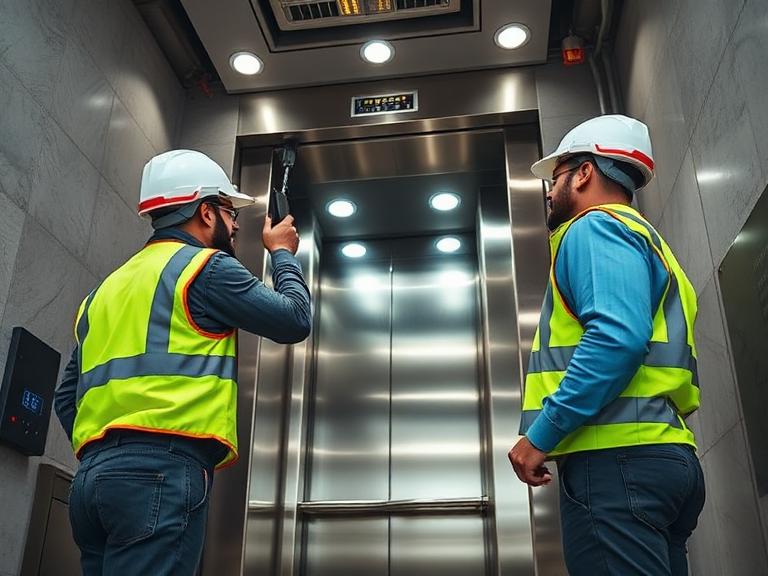
What Is a Lift Landing Door?
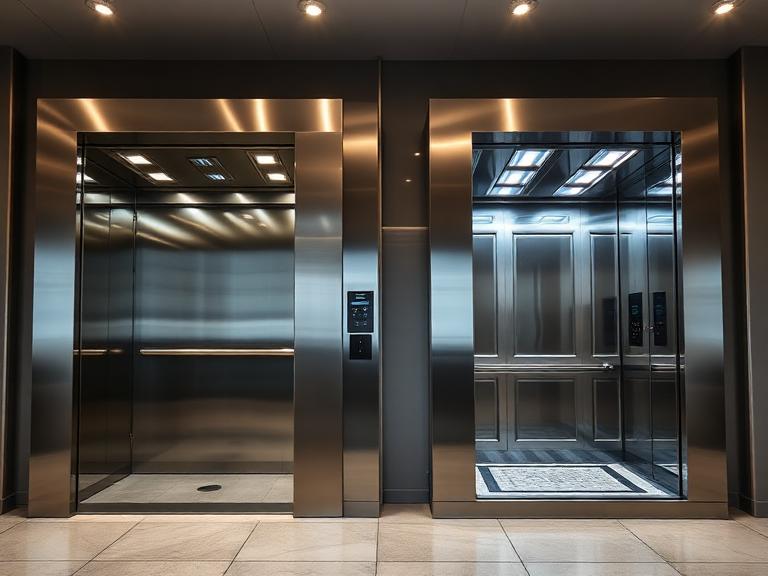
A landing door is the fixed door located on each floor that provides access to the elevator cabin.
Its primary functions include:
- Preventing access to the lift shaft
- Protecting passengers from accidental falls
- Ensuring safe boarding and exiting
- Supporting elevator safety circuits
- Working together with the cabin door for safe operation
The landing door only opens when the elevator cabin has safely arrived and is correctly positioned at that floor.
Why Landing Doors Are Critical for Elevator Safety
Every modern elevator incorporates multiple safety mechanisms, and the landing door is one of the most important.
A properly functioning landing door:
- Prevents shaft access
- Keeps children and occupants safe
- Ensures elevator movement only when doors are locked
- Supports emergency rescue operations
- Improves passenger confidence
- Protects elevator equipment
Even a minor fault in the landing door can interrupt elevator service or create potential safety hazards if left unresolved.
Common Lift Landing Door Problems
Daily operation causes gradual wear of mechanical and electrical door components.
1. Door Misalignment
One of the most common issues is misalignment.
Causes include:
- Building settlement
- Loose hinges
- Worn rollers
- Mechanical impact
- Poor installation
Misaligned doors may:
- Fail to close properly
- Produce scraping noises
- Trigger controller faults
- Prevent elevator operation
2. Faulty Door Interlock
Every landing door contains an interlock mechanism.
Its purpose is to:
- Confirm the door is fully closed
- Prevent elevator movement when unlocked
- Maintain passenger safety
Interlock failures may result from:
- Mechanical wear
- Electrical faults
- Dust accumulation
- Damaged wiring
- Corrosion
3. Damaged Door Rollers
Door rollers allow smooth movement.
Over time they may develop:
- Flat spots
- Cracks
- Bearing failure
- Excessive wear
Symptoms include:
- Noisy operation
- Jerky movement
- Uneven closing
- Increased resistance
4. Broken Door Closer
Landing door closers automatically return doors to the closed position.
Faulty closers may cause:
- Slow closing
- Incomplete closing
- Door slamming
- Door remaining open
5. Worn Door Tracks
Door tracks guide the movement of landing doors.
Common issues include:
- Dirt buildup
- Rust
- Physical damage
- Misalignment
Damaged tracks reduce smooth door movement.
6. Electrical Contact Failure
Landing doors contain electrical contacts that communicate with the elevator controller.
Failures may occur due to:
- Loose wiring
- Contact wear
- Moisture
- Corrosion
- Vibration
Electrical contact issues often prevent the elevator from operating.
7. Door Lock Failure
Door locks secure the landing door whenever the cabin is away from that floor.
Problems include:
- Mechanical wear
- Broken locking mechanisms
- Incorrect adjustment
- Damaged springs
A faulty lock is considered a critical safety issue and requires immediate repair.
8. Damaged Door Panels
Door panels may become damaged because of:
- Trolleys
- Furniture movement
- Industrial equipment
- Accidental impact
Bent panels often interfere with proper door operation.
Causes of Landing Door Damage
Several factors contribute to landing door failures.
Common causes include:
- Continuous daily usage
- Lack of preventive maintenance
- Dust accumulation
- Corrosion
- Moisture
- Improper installation
- Ageing components
- Heavy passenger traffic
- Physical impact
- Electrical faults
Regular inspections help identify these issues before they become major problems.
Warning Signs That Your Landing Door Needs Repair
Building owners should never ignore warning signs.
Common indicators include:
- Door not closing completely
- Elevator refusing to move
- Grinding noises
- Door sticking
- Slow door operation
- Door vibration
- Visible gaps
- Intermittent faults
- Door reopening unexpectedly
- Controller displaying door error messages
Prompt repairs reduce downtime and improve passenger safety.
Components of a Lift Landing Door System
Professional repair technicians inspect multiple interconnected components.
Landing Door Panels
These provide the physical barrier between passengers and the lift shaft.
Door Interlock
The interlock verifies that the landing door is securely closed before elevator movement begins.
Door Rollers
Rollers allow smooth opening and closing.
Guide Shoes
Guide shoes keep the door aligned during movement.
Door Tracks
Tracks support stable and quiet operation.
Door Hangers
Door hangers suspend the door panels while maintaining proper alignment.
Door Closer
The closer automatically returns the door to its closed position.
Electrical Contacts
These contacts communicate the landing door status to the elevator controller.
Lock Assembly
The locking mechanism prevents unauthorized door opening and ensures compliance with elevator safety requirements.
Buildings That Frequently Require Landing Door Repairs
Professional Lift Landing Door Repair in Hyderabad services are commonly required for:
- Residential apartment complexes
- Independent residential buildings
- Commercial office buildings
- Shopping malls
- Hospitals
- Hotels
- Educational institutions
- Government buildings
- Warehouses
- Industrial facilities
- Metro stations
- IT parks
- Mixed-use developments
High-traffic buildings typically experience faster wear on landing door components, making routine inspections especially important.
Benefits of Timely Landing Door Repairs
Repairing landing door issues promptly offers several long-term advantages.
Benefits include:
- Improved passenger safety
- Reduced elevator downtime
- Reliable door operation
- Compliance with safety standards
- Lower maintenance costs
- Extended component lifespan
- Better ride experience
- Reduced emergency breakdowns
- Improved building accessibility
- Increased elevator reliability
Professional repair services ensure that landing doors continue to operate safely while supporting the overall performance of the elevator system.
Step-by-Step Lift Landing Door Repair Process
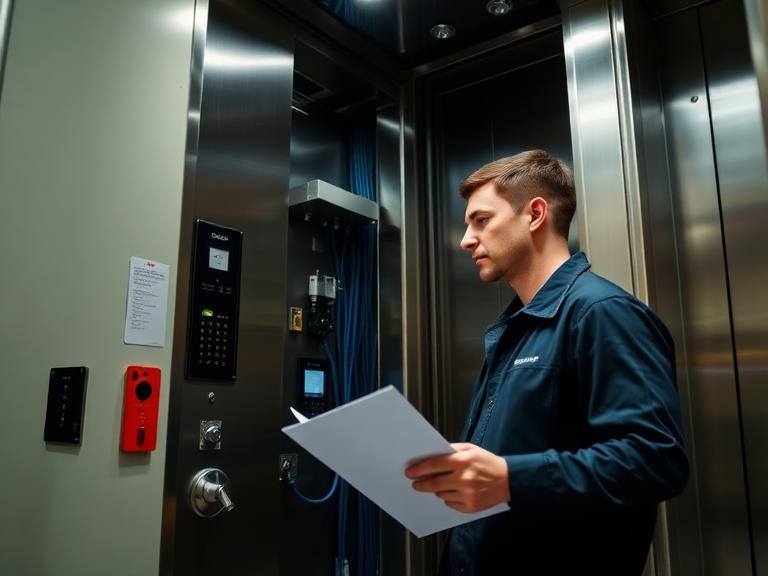
Repairing a lift landing door requires a systematic approach to restore safe and reliable operation. Qualified elevator technicians inspect both mechanical and electrical components before carrying out repairs.
1. Initial Safety Inspection
Before beginning any repair work, the elevator is placed out of service and secured.
Technicians perform:
- Elevator shutdown and lockout procedures
- Landing door inspection
- Shaft access safety checks
- Controller fault review
- Visual assessment of all door components
This ensures a safe working environment.
2. Diagnostic Assessment
The technician identifies the root cause of the problem.
Diagnostic checks include:
- Door alignment
- Interlock operation
- Roller movement
- Door closer function
- Lock mechanism
- Electrical contacts
- Wiring continuity
- Controller error codes
Accurate diagnosis prevents unnecessary component replacement.
3. Landing Door Alignment
Misaligned doors are carefully adjusted.
Engineers inspect:
- Door panel positioning
- Guide shoe alignment
- Track level
- Hanger adjustment
- Door clearances
Correct alignment ensures smooth opening and secure closing.
4. Door Roller Replacement
Worn rollers are replaced when necessary.
Technicians install manufacturer-approved rollers to improve:
- Smooth movement
- Noise reduction
- Door stability
- Operational efficiency
New rollers significantly reduce mechanical stress on the door system.
5. Door Track Repair
Door tracks are cleaned, repaired, or replaced depending on their condition.
Repairs may include:
- Track cleaning
- Rust removal
- Straightening bent sections
- Replacing damaged track assemblies
Well-maintained tracks improve door reliability.
6. Landing Door Interlock Repair
The interlock is one of the most important elevator safety devices.
Repairs include:
- Mechanical adjustment
- Contact cleaning
- Spring replacement
- Electrical testing
- Complete interlock replacement (if required)
The elevator must never operate unless every landing door interlock functions correctly.
7. Door Lock Repair
Technicians inspect:
- Lock engagement
- Lock release
- Locking pins
- Springs
- Mounting brackets
Any worn or damaged locking components are replaced immediately.
8. Electrical Contact Testing
Landing door electrical contacts communicate with the elevator controller.
Inspection includes:
- Contact continuity
- Wiring integrity
- Connector condition
- Terminal tightening
- Signal verification
Reliable electrical communication prevents unnecessary shutdowns.
9. Door Closer Adjustment
Door closers regulate the speed at which landing doors return to the closed position.
Technicians adjust:
- Closing speed
- Spring tension
- Door resistance
- Final locking position
Proper adjustment prevents slamming and incomplete closure.
10. Final Safety Testing
After repairs, technicians perform comprehensive testing.
Testing includes:
- Door opening cycles
- Door closing cycles
- Interlock verification
- Lock testing
- Controller communication
- Emergency operation
- Multi-floor testing
- Passenger simulation
The elevator returns to service only after all safety systems perform correctly.
Safety Standards for Lift Landing Doors
Landing doors must comply with applicable elevator safety regulations and manufacturer specifications.
Professional maintenance helps ensure:
- Secure door locking
- Proper interlock operation
- Correct door alignment
- Reliable emergency release mechanisms
- Smooth door movement
- Safe passenger access
Routine inspections support continued compliance throughout the elevator’s service life.
Modern Landing Door Technologies
Today’s elevator landing doors incorporate advanced technology that improves reliability, passenger safety, and maintenance efficiency.
Smart Door Interlocks
Modern interlocks provide:
- Enhanced locking accuracy
- Better fault detection
- Improved reliability
- Faster diagnostics
Infrared Door Sensors
Infrared sensors detect obstructions during door movement.
Benefits include:
- Passenger protection
- Reduced accidents
- Automatic reopening
- Improved accessibility
Microprocessor-Based Door Controllers
Intelligent controllers monitor:
- Door timing
- Opening speed
- Closing speed
- Fault conditions
- Safety circuits
These systems improve operational efficiency.
Heavy-Duty Door Rollers
Modern rollers use:
- High-strength bearings
- Wear-resistant materials
- Low-friction surfaces
This increases service life while reducing maintenance.
IoT-Based Remote Monitoring
Some modern elevator systems provide remote monitoring of:
- Door faults
- Interlock status
- Door cycle counts
- Maintenance alerts
- Operational performance
Remote diagnostics enable faster service response.
Preventive Maintenance for Lift Landing Doors
Regular maintenance significantly reduces unexpected failures.
Monthly Inspection
Technicians inspect:
- Door alignment
- Rollers
- Tracks
- Locks
- Hinges
- Door panels
Cleaning
Routine cleaning removes:
- Dust
- Grease
- Debris
- Rust particles
Clean door mechanisms operate more smoothly.
Lubrication
Manufacturer-approved lubricants are applied to:
- Rollers
- Hinges
- Tracks
- Lock assemblies
Proper lubrication reduces friction and wear.
Electrical Testing
Routine electrical inspections include:
- Interlock contacts
- Wiring
- Controller communication
- Door sensors
- Terminal connections
Reliable electrical systems reduce unexpected shutdowns.
Mechanical Inspection
Technicians verify:
- Door hangers
- Guide shoes
- Lock assemblies
- Door closers
- Mounting brackets
Replacing worn components early prevents larger repairs.
Annual Comprehensive Inspection
A detailed yearly inspection includes:
- Door calibration
- Safety verification
- Component replacement
- Operational testing
- Documentation of maintenance history
Annual servicing supports long-term reliability.
Common Mistakes to Avoid
Avoiding these mistakes helps extend landing door lifespan.
Ignoring Minor Door Noise
Grinding, scraping, or rattling sounds often indicate developing mechanical problems.
Delaying Door Repairs
Small faults can quickly affect the elevator controller and lead to service interruptions.
Using Non-Compatible Replacement Parts
Always use components that meet the original manufacturer’s specifications.
Improper Door Alignment
Incorrect alignment increases wear on rollers, tracks, and interlocks.
Skipping Preventive Maintenance
Routine inspections help identify wear before it results in breakdowns.
Unqualified Repairs
Landing door systems are part of the elevator’s safety mechanism and should only be repaired by trained elevator professionals.
Why Choose Professional Lift Landing Door Repair in Hyderabad?
Professional elevator service providers offer:
- Experienced technicians
- Advanced diagnostic equipment
- Genuine replacement parts
- Precision door alignment
- Interlock testing
- Electrical diagnostics
- Preventive maintenance programs
- Emergency repair services
- Comprehensive safety testing
- Long-term maintenance support
Professional repair improves elevator reliability while ensuring passenger safety.
Frequently Asked Questions
1. Why won’t my lift landing door close properly?
Common causes include worn rollers, misaligned panels, damaged tracks, faulty door closers, or problems with the interlock mechanism.
2. What is a landing door interlock?
A landing door interlock is a safety device that prevents the elevator from moving unless the landing door is securely closed and locked.
3. How often should landing doors be inspected?
Landing doors should be inspected during every scheduled preventive maintenance visit. High-traffic buildings may require more frequent inspections.
4. Can damaged landing door rollers be replaced?
Yes. Worn or damaged rollers can usually be replaced without replacing the complete landing door assembly.
5. Why does the elevator show a door fault?
Door faults may be caused by misalignment, interlock failure, damaged electrical contacts, faulty sensors, or controller communication issues.
6. How can I extend the life of my landing doors?
Regular cleaning, lubrication, alignment checks, timely repairs, and scheduled preventive maintenance help maximize landing door lifespan.

Conclusion
Landing doors are essential safety components that protect passengers while ensuring the reliable operation of every elevator. Because they are used continuously, landing doors are subject to mechanical wear, electrical faults, and environmental conditions that can affect their performance over time.
Professional Lift Landing Door Repair in Hyderabad includes comprehensive diagnostics, precision alignment, interlock repair, roller replacement, electrical testing, and thorough safety verification. Prompt attention to door issues helps reduce downtime, improve passenger safety, extend equipment life, and maintain smooth elevator operation in residential, commercial, healthcare, hospitality, educational, and industrial buildings throughout Hyderabad.