Table of Contents
Daily Yoga Wellness Practice in Chennai | 365-Day Holistic Routine
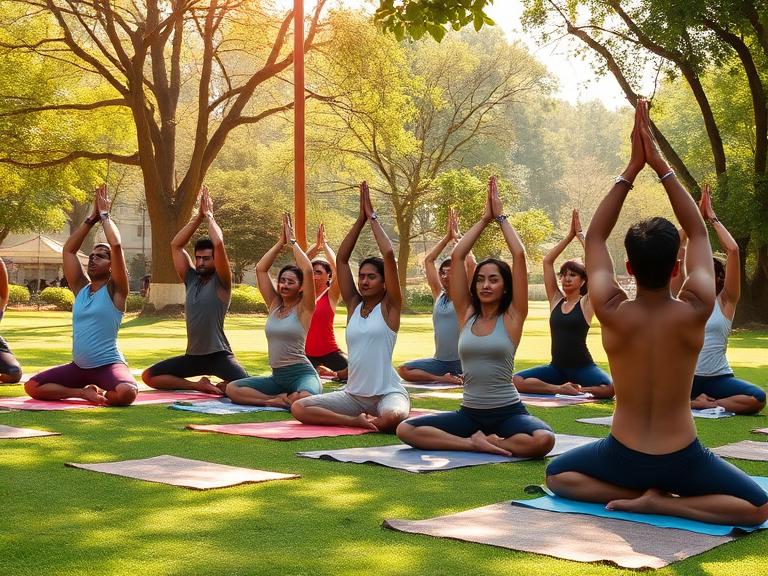
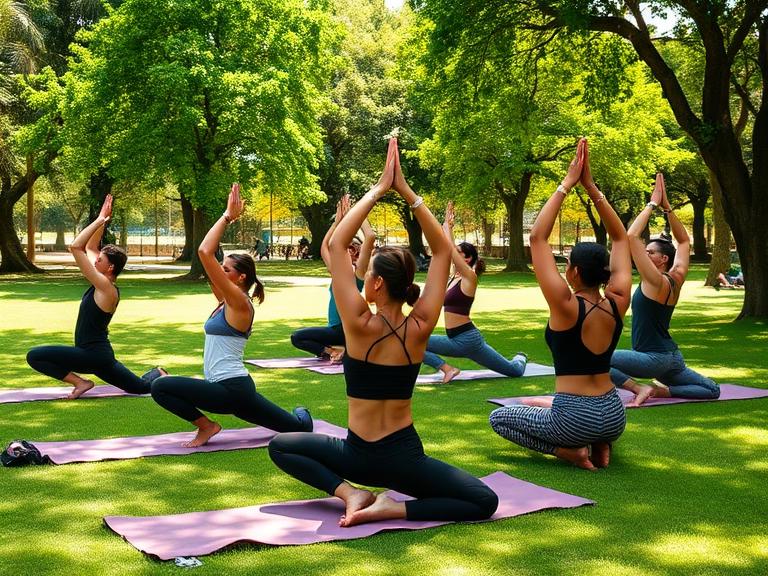
In an era of relentless notifications, high-octane corporate schedules, and urban congestion, sustaining a Daily Yoga Wellness Practice in Chennai offers a grounding anchor. While sporadic gym sessions or occasional weekend yoga classes provide temporary relief, the true physiological, hormonal, and psychological benefits of yoga only unlock through daily, ritualized commitment (Abhyasa).
Chennai is uniquely qualified to serve as the backdrop for a lifelong yoga journey. Known historically as the wellness capital of South India, the city carries an unbroken lineage of master teachers, world-famous institutes, and pioneering therapeutic yoga centers. From the individualized, breath-centric traditions of Yogacharya T. Krishnamacharya to the classical Hatha teachings of the Sivananda centers and modern dynamic studios, Chennai provides an ideal ecosystem for daily practice.
However, executing a daily practice in Chennai requires an understanding of the city’s unique environment—including its coastal micro-climates, tropical heat indices, and busy traffic patterns. This comprehensive guide details how to build, maintain, and adapt an unbroken daily yoga wellness practice tailored specifically to life in Chennai.
1. The Physiological Power of Daily Practice (Abhyasa)
Patanjali’s Yoga Sutras state that practice becomes firmly grounded only when cultivated continuously, without interruption, over a long period, and with deep devotion (Saktu Dirghakala Nairantarya Satkara Asevito Dridhabhumih).
               [Daily Neuro-Physiological Adaptation Loop]
                                    │
   ┌────────────────────────────────┼────────────────────────────────┐
   ▼                                ▼                                ▼
Cardiovascular & Lymph         Nervous System Reset            Endocrine Harmony
• Daily joint synovial flush    • Sympathetic tone reduction    • Cortisol regulation
• Enhanced venous return        • Vagus nerve stimulation       • Balanced thyroid & insulin
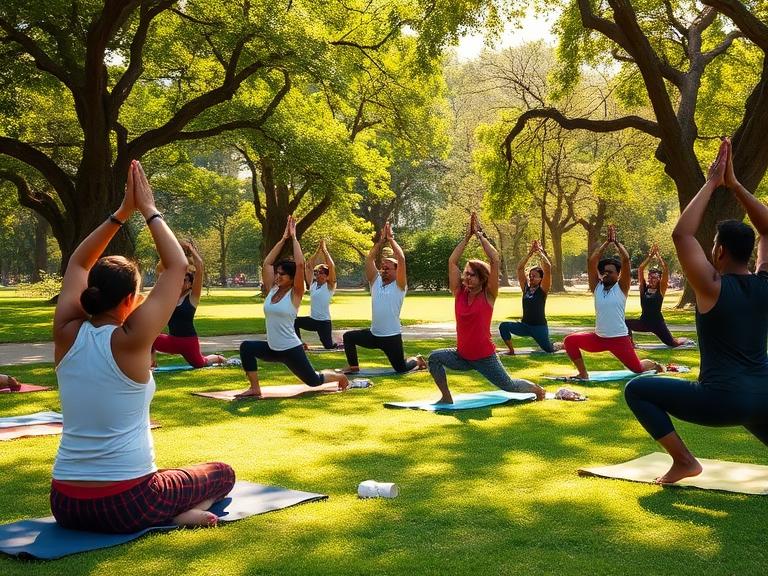
When you transition from a sporadic practice to a Daily Yoga Wellness Practice in Chennai, your body undergoes noticeable transformations:
- Autonomic Nervous System Regulation: Daily breathwork (Pranayama) stimulates the vagus nerve, reducing baseline salivary cortisol levels and keeping your body in a “rest-and-digest” parasympathetic state.
- Postural Realignment: Prolonged sitting compresses the lower lumbar spine and shortens the hip flexors. Daily practice gently reverses these compressions before they solidify into structural issues.
- Lymphatic Flush: Unlike the circulatory system, which is pumped by the heart, the lymphatic system relies entirely on muscle contraction and joint articulation. Daily yoga serves as a natural pump to remove metabolic waste.
2. Navigating Chennai’s Coastal Micro-Climates
A daily practice in Chennai requires adapting to seasonal shifts in temperature, humidity, and atmospheric pressure.
                      [Chennai Seasonal Practice Adaptations]
                                         │
     ┌───────────────────────────────────┼───────────────────────────────────┐
     ▼                                   ▼                                   ▼
Agni Period (April–June)               Monsoon (Oct–Dec)                 Cooler Months (Jan–March)
• Focus: Cooling & Hydrating           • Focus: Warming & Immunity         • Focus: Dynamic & Endurance
• Sheetali & Sitkari Pranayama         • Agni Depana (Kapalabhati)         • Surya Namaskar Sequences
• Slow, grounding Hatha holds          • Joint mobility & spine twists     • Advanced balancing postures
1. Summer Adaptation (Agni Season: April–June)
When ambient heat and humidity peak, high-intensity workouts can strain the cardiovascular system.
- Timing: Practice strictly during the early morning hours (5:15 AM – 6:30 AM).
- Asana Selection: Emphasize seated forward bends, gentle hip openers, and restorative holds that soothe the liver and spleen.
- Pranayama: Incorporate Sheetali (Cooling Tongue Breath) and Sitkari (Hissing Breath) at the end of asana practice to release excess internal heat.
2. Monsoon Adaptation (Oct–Dec)
The North-East Monsoon brings atmospheric pressure drops, elevated humidity, and dampness that can stiffen joints.
- Focus: Build internal metabolic heat (Agni).
- Asana Selection: Dynamic Sun Salutations (Surya Namaskar), twisting postures (Ardha Matsyendrasana), and core-strengthening poses to stimulate digestion.
- Pranayama: Practice Kapalabhati (Skull-Shining Breath) and Surya Bhedana (Right Nostril Breathing) to clear respiratory passages and maintain energy levels.
3. The 3-Tier Daily Practice Framework
Most daily routines fail because practitioners assume they need 60 to 90 minutes every single day. A sustainable daily practice relies on a flexible, 3-tier framework that adapts to your available time.
[Tier 1: Express Anchor] ──► [Tier 2: Standard Daily] ──► [Tier 3: Deep Immersion]
    (15 Minutes)                 (45 Minutes)                 (75 Minutes)
  * Busy / Travel days         * Regular weekdays           * Weekends & Holidays
Tier 1: The Express Anchor (15 Minutes)
For high-stress, busy travel days or tight schedules.
- 00–03 Mins: Joint Warm-up (Sukshma Vyayama) – neck, shoulder, and spinal rolls.
- 03–08 Mins: 4 to 6 rounds of slow, breath-synchronized Surya Namaskar.
- 08–12 Mins: Seated forward fold (Paschimottanasana) and gentle spinal twist.
- 12–15 Mins: 3 minutes of Nadi Shodhana (Alternate Nostril Breathing) and quick relaxation.
Tier 2: The Standard Daily Flow (45 Minutes)
The foundational weekday routine for working professionals and homemakers.
- 00–05 Mins: Centering, chanting, and breath awareness.
- 05–12 Mins: Dynamic standing warm-ups and joint mobilization.
- 12–27 Mins: Postural flow (Standing balance, Warrior series, Backbends, Twists).
- 27–35 Mins: Inversions or restorative poses (Viparita Karani / Setu Bandhasana).
- 35–40 Mins: Targeted Pranayama (Kapalabhati, Nadi Shodhana, Bhramari).
- 40–45 Mins: Deep Savasana (Conscious Relaxation).
Tier 3: The Deep Immersion (75 Minutes)
Designed for weekends, outdoor beach practices, or lighter schedule days.
- Full Asana Spectrum: Long isometric holds, hips and shoulder mobility work, advanced inversions, extended Pranayama, and 15 minutes of seated mindfulness meditation.
4. Top Neighborhood Spots for Your Daily Practice
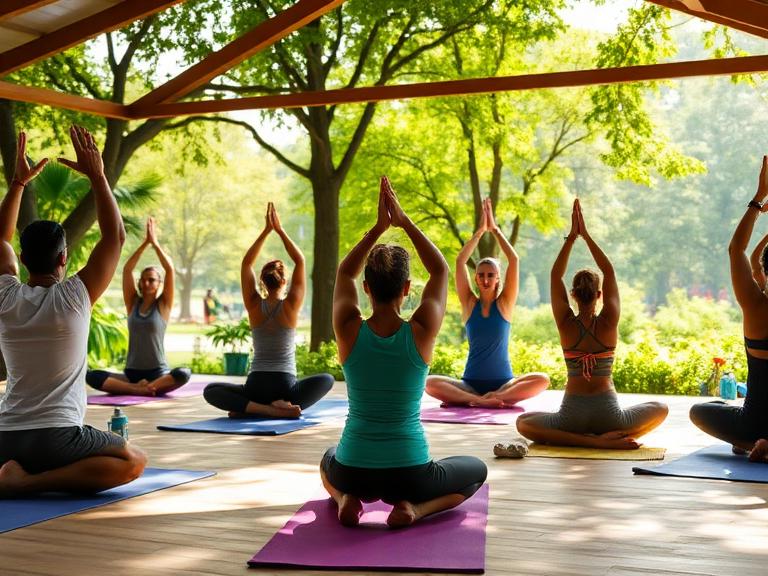
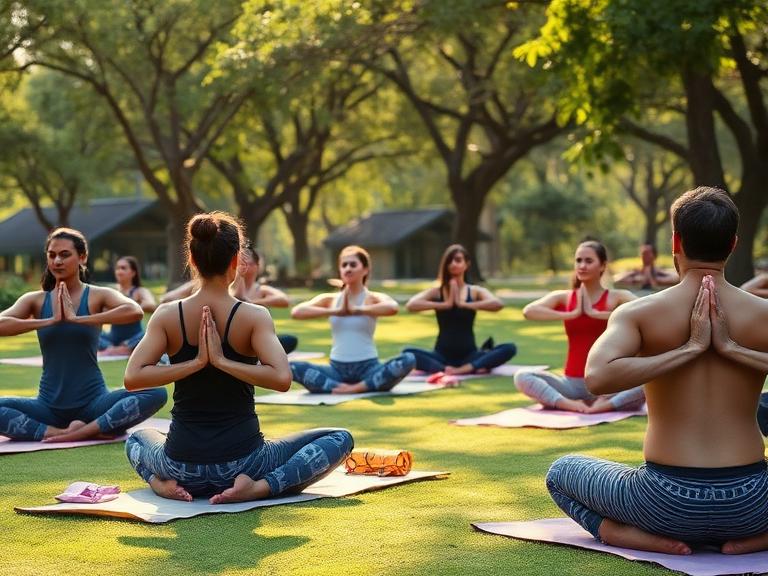
Where you practice influences your consistency. Chennai offers a variety of serene outdoor spaces alongside well-equipped indoor venues.
                           [Chennai Practice Zones]
                                     │
         ┌───────────────────────────┴───────────────────────────┐
         ▼                                                       ▼
Coastal Outdoor Spaces                                   Tranquil Park Sanctuaries
  • Besant Nagar Beach (Elliot's)                          • Nageswara Rao Park (Mylapore)
  • Thiruvanmiyur Shoreline                                • Tower Park (Anna Nagar)
  • ECR Coastal Belt                                       • Chetpet Eco Park
1. Coastal Spaces for Morning Outdoor Sessions
- Besant Nagar Beach (Elliot’s Beach): A favorite spot for morning outdoor yoga groups. The open shoreline provides fresh, negative-ion-rich sea air that supports respiratory practice.
- Thiruvanmiyur Beach: A quieter alternative to Besant Nagar, ideal for individual practitioners seeking solitary sunrise meditation and long pose holds along the shore.
2. Park Sanctuaries for Shaded Movement
- Nageswara Rao Park (Mylapore): A green retreat featuring old-growth trees that shade practitioners from the sun. The gentle morning ambient noise creates a calming backdrop for breathwork.
- Anna Nagar Tower Park: Offers wide open lawns and paved walkways, serving residents across North and Central Chennai who prefer park sessions over coastal trips.
5. Step-by-Step Implementation Roadmap
Building a daily yoga habit requires clear structure and goal-setting. Follow this 5-step roadmap to make your practice a lasting part of your routine.
1.Step 1: Set Up Your Home Practice Environment:Preparation Phase.
Designate a dedicated, clean corner in your home. Ensure you have a high-grip non-slip mat (4mm to 6mm), two high-density foam blocks, a cotton yoga strap, and a firm cushion for seated breathwork.
2.Step 2: Lock In a Fixed Time Slot:Schedule Alignment.
Choose a consistent time slot—ideally early morning (5:30 AM – 7:00 AM) before daily work demands begin. Consistency in timing helps reinforce circadian rhythms and habit formation.
3.Step 3: Tie Practice to an Existing Morning Cue:Habit Stacking.
Anchor your practice to an established habit (e.g., “Right after brushing my teeth and drinking a glass of warm water, I unroll my yoga mat”). This reduces decision friction.
4.Step 4: Get Periodic Professional Guidance:Technique Verification.
Join a local weekly class, attend workshops at renowned institutes, or hire a certified instructor for periodic alignment checks to ensure safe posture mechanics.
5.Step 5: Monitor Functional Health Metrics:Progress Tracking.
Track qualitative health improvements—such as sleep quality, spinal flexibility, digestion regularity, and daily mood—rather than focusing solely on advanced poses.
6. Budgeting & Practice Format Options in Chennai
Chennai caters to every preference and budget, from free self-guided practice to specialized 1-on-1 therapy sessions:
| Format | Recommended For | Estimated Monthly Investment | Key Benefits |
| Self-Guided Home Practice | Self-disciplined yogis, experienced practitioners. | Free (Mat Cost: ₹1,000–₹3,000) | Complete timing independence, zero commute. |
| Outdoor Beach / Park Groups | Nature lovers, community-oriented practitioners. | ₹1,500 – ₹3,500 / month | Fresh sea air, social motivation, accessible pricing. |
| Studio Group Batches | Practitioners who benefit from prop access & climate control. | ₹2,500 – ₹5,000 / month | Structured progression, hands-on adjustments, calm spaces. |
| 1-on-1 Yoga Therapy | Individuals with chronic injuries, medical conditions, or seniors. | ₹600 – ₹1,800 / session | Tailored rehabilitation, close supervision, modified poses. |
| Live Interactive Online | Frequent travelers, work-from-home professionals. | ₹1,500 – ₹3,000 / month | Real-time feedback without the hassle of a commute. |
7. Frequently Asked Questions (15 Detailed FAQs)
Q1: What makes a Daily Yoga Wellness Practice in Chennai different from standard fitness routines?
A daily yoga wellness practice works holistically across physical, energetic, and mental levels. Unlike gym workouts focused primarily on muscle hypertrophy or calorie burn, daily yoga integrates posture work (Asana), conscious breath control (Pranayama), and mental focus (Meditation) to balance the nervous system, lower cortisol, and improve long-term joint health.
Q2: Is it safe to practice yoga every single day?
Yes, provided you vary the intensity of your practice. A balanced daily routine alternates dynamic movement days with restorative forward bends, gentle mobility work, and dedicated breathwork days to give muscle tissues time to recover.
Q3: How do I handle practicing yoga during Chennai’s hot summer months?
During summer (April–June), schedule your practice early in the morning (5:30 AM – 6:30 AM). Keep the intensity moderate, focus on seated forward bends and hip openers, and conclude with cooling breathwork like Sheetali and Sitkari to release excess internal heat.
Q4: I am completely inflexible. Can I still start a daily yoga practice?
Yes. Flexibility is a outcome of practice, not a prerequisite. Postures are easily modified using yoga blocks, straps, and bolsters so you can practice safely within your current range of motion.
Q5: What should I eat before my daily morning yoga session?
Practice on an empty stomach. If you feel low on energy upon waking, drink a glass of warm water or tender coconut water 15 to 20 minutes before stepping onto your mat. Avoid solid food for at least 2 to 3 hours prior to practice.
Q6: How do I adapt my daily practice if I suffer from desk-job neck and lower back pain?
Incorporate daily spinal decompression poses, such as Marjaryasana-Bitilasana (Cat-Cow), supported bridge pose (Setu Bandhasana), chest openers, and gentle ragdoll forward folds. Be sure to avoid deep forward bends if you have acute lumbar disc issues.
Q7: What are the best outdoor locations for daily yoga in Chennai?
Top locations include Besant Nagar Beach (Elliot’s Beach), Thiruvanmiyur Beach, Nageswara Rao Park in Mylapore, Semmozhi Poonga in Teynampet, and Anna Nagar Tower Park.
Q8: How long should a daily practice be for busy working professionals?
A 30-to-45-minute daily session is plenty for maintaining physical health and mental clarity. On unusually busy days, even a 15-minute express routine helps maintain habit momentum.
Q9: Can daily yoga practice help manage chronic stress and insomnia?
Yes. Daily breathwork and restorative poses stimulate the parasympathetic nervous system, lowering baseline adrenaline and cortisol. Practicing Nadi Shodhana and Bhramari pranayama in the evening helps prepare the body for deep, restful sleep.
Q10: How does traditional Chennai yoga therapy differ from general yoga classes?
Traditional yoga therapy—championed by institutions like the Krishnamacharya Yoga Mandiram (KYM)—uses personalized 1-on-1 assessments to design custom routines tailored to specific health conditions, injuries, or age requirements.
Q11: Can women practice their daily yoga routine during menstruation?
During the first 2 to 3 days of menstruation, adjust your routine to focus on gentle, restorative postures. Avoid heavy inversions (Headstands, Shoulderstands), intense abdominal compression, and high-energy dynamic flows.
Q12: How long does it take to see tangible health results from a daily practice?
Most practitioners notice improved sleep quality, smoother digestion, and enhanced stress management within 7 to 14 days. Significant structural posture improvements and emotional resilience generally develop within 8 to 12 weeks.
Q13: Are live online virtual yoga classes effective for maintaining a daily routine?
Yes. Live interactive virtual sessions offer real-time alignment feedback from certified instructors without the time and friction of a daily commute, making it easier to stay consistent.
Q14: What qualifications should I look for when selecting a yoga teacher in Chennai?
Look for teachers certified by reputed bodies, such as a Yoga Alliance (RYT-200 / RYT-500) certification, an AYUSH Ministry Certification, or a diploma from traditional lineages like Krishnamacharya Yoga Mandiram or Sivananda Yoga Vedanta Centre.
Q15: What is the average monthly cost of yoga classes in Chennai?
Group studio or outdoor beach classes generally range from ₹1,500 to ₹4,500 per month. Private 1-on-1 specialized therapy sessions typically cost between ₹600 and ₹1,800 per session.