Table of Contents
Sleep Routine for Kids: Science-Backed Step-by-Step Parent Guide
For countless families, the transition from late afternoon to bedtime can feel like an uphill battle. What should be a peaceful, restorative conclusion to the day often devolves into endless requests for water, repeated bedroom exits, emotional meltdowns, and parental exhaustion.
This friction rarely stems from deliberate misbehavior. Instead, it is usually caused by a biological and environmental mismatch: expecting a child’s highly active brain to switch off instantly without a structured wind-down phase.
Building an evidence-based sleep routine for kids provides the precise bridge children need to transition smoothly from daytime high energy to deep nighttime rest. Grounded in pediatric neuroscience, circadian physiology, and positive behavioral psychology, a structured routine trains the nervous system to relax predictably every evening.
This comprehensive guide breaks down the biological science, step-by-step frameworks, age-specific schedules, environmental adjustments, and practical boundary strategies necessary to establish a calm, reliable sleep routine for kids at home.
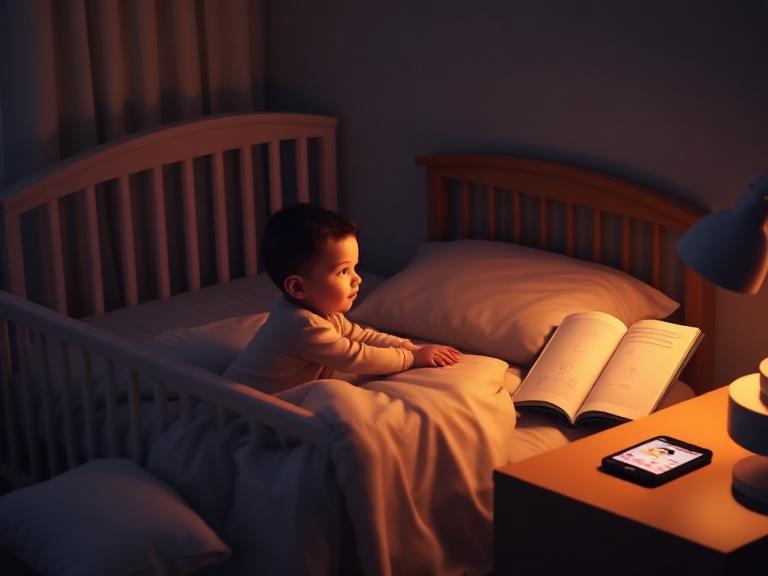
1. The Science of the Evening Wind-Down
To understand why a structured sequence works so well, we must examine how a child’s brain processes the shift from alertness to slumber.
                         ┌────────────────────────────────────────┐
                         │    THE CHILD SLEEP PHYSIOLOGY PATHWAY │
                         └───────────────────┬────────────────────┘
                                             │
         ┌───────────────────────────────────┴───────────────────────────────────┐
         ▼                                                                       ▼
┌─────────────────────────────────┐                             ┌─────────────────────────────────┐
│     HIGH STIMULATION DAYTIME    │                             │     LOW STIMULATION EVENING     │
│ - High Cortisol (Alertness)     │                             │ - Rising Melatonin Levels       │
│ - Active Prefrontal Engagement  │ ──── SYSTEMATIC ROUTINE ───►│ - Reduced Core Temperature      │
│ - Sympathetic Nervous Drive     │                             │ - Parasympathetic Dominance     │
└─────────────────────────────────┘                             └─────────────────────────────────┘
During daytime play, learning, and interaction, a child’s nervous system operates predominantly under sympathetic tone (“fight, flight, or activity”). When they are suddenly moved from a bright, active room directly to bed, their brain remains in a high-alert state.
An effective sleep routine for kids acts as a deliberate brake, shifting the body into parasympathetic dominance (“rest and digest”):
- Suppression of Cortisol: Predictable, quiet steps lower circulating stress hormones.
- Melatonin Synthesis: Dimming lights signals the brain’s pineal gland to release natural melatonin.
- Core Thermal Drop: A warm bath dilates surface blood vessels; as body temperature naturally cools down afterward, drowsiness is triggered automatically.
- Reduction of Brain Fatigue: When a child knows exactly what happens next, executive functioning demand drops, lessening anxiety and cognitive resistance.
2. Age-Based Sleep Schedules & Wake Windows
A child’s total sleep requirement and optimal timing evolve significantly as they grow. Aligning bedtime with age-appropriate wake windows prevents overtiredness—the primary cause of bedtime tantrums, stalling, and frequent night awakenings.
| Age Bracket | Total Recommended Sleep | Pre-Bed Wake Window | Ideal Bedtime Range | Core Routine Focus |
| Infants (4–12 Months) | 12 to 16 Hours (Total) | 2.5 to 3.5 Hours | 18:30 – 19:30 | Simple sequence: feeding, bath, massage, lullaby, crib. |
| Toddlers (1–2 Years) | 11 to 14 Hours (Total) | 4.0 to 5.5 Hours | 18:45 – 19:30 | Visual schedule cards, firm limits, structured choices. |
| Preschoolers (3–5 Years) | 10 to 13 Hours (Night) | 5.5 to 7.0 Hours | 19:00 – 20:00 | Independence building, story reading, anxiety check-in. |
| School-Age (6–12 Years) | 9 to 12 Hours (Night) | 7.0 to 9.0 Hours | 19:30 – 20:30 | Self-reading, screen-free wind-down, daily reflections. |
3. The 5-Step Master Sleep Routine
The sweet spot for a child’s evening wind-down is 30 to 45 minutes. Shorter routines fail to lower physiological arousal, while routines stretching beyond an hour often trigger overtiredness and endless stalling.
                          ┌────────────────────────────────────────┐
                          │   THE 5-STEP EVENING WIND-DOWN        │
                          └───────────────────┬────────────────────┘
                                              │
         ┌───────────────────┬────────────────┴───────────────────┬───────────────────┐
         ▼                   ▼                                    ▼                   ▼
┌─────────────────┐ ┌─────────────────┐                  ┌─────────────────┐ ┌─────────────────┐
│ Step 1: Shut    │ │ Step 2: Warm    │                  │ Step 3: Hygiene │ │ Step 4: Story   │
│ Down Screens    │ │ Bath/Wash       │                  │ & Pyjamas       │ │ & Connection    │
│ T-45 Minutes    │ │ T-35 Minutes    │                  │ T-25 Minutes    │ │ T-15 Minutes    │
└─────────────────┘ └─────────────────┘                  └─────────────────┘ └─────────────────┘
                                              │
                                              ▼
                                     ┌─────────────────┐
                                     │ Step 5: Lights  │
                                     │ Out & Goodbye   │
                                     │ T-0 Minutes     │
                                     └─────────────────┘
1.Environment Reset & Screen Shutdown:T-45 Minutes.
Power down all televisions, tablets, gaming consoles, and mobile phones. Switch room lights from harsh overhead fixtures to low, warm lamps to stimulate melatonin production.
2.Warm Bath or Gentle Hygiene Wash:T-35 Minutes.
A 10-minute warm bath relaxes tense muscles. The subsequent cooling effect when stepping out mimics the body’s natural drop in core temperature needed for sleep onset.
3.Pyjamas, Teeth Brushing & Bedroom Transition:T-25 Minutes.
Move directly into the bedroom. Put on comfortable nightwear, brush teeth thoroughly, and use the bathroom. Keep the bedroom environment dim, quiet, and calm.
4.Shared Reading & Connection Time:T-15 Minutes.
Read 1 to 2 stories together in cozy bedding. Use this moment for emotional connection, asking simple questions such as: “What was something nice that happened today?”
5.Final Hug, Sound Cue & Independent Sleep Onset:T-0 Minutes.
Turn on continuous white or pink noise if used, offer a warm hug, turn off the main lamp, and exit while the child is drowsy but still awake to foster independent sleep skills.
4. Solving Bedtime Resistance, Stalling & Anxiety
When children repeatedly ask for extra water, additional books, or bathroom trips after lights-out, they are usually seeking extra parental connection or testing behavioral limits. Here are three effective, evidence-backed strategies to handle these challenges:
                        ┌────────────────────────────────────────┐
                        │      BEDTIME MANAGEMENT TACTICS        │
                        └───────────────────┬────────────────────┘
                                            │
         ┌───────────────────┬──────────────┴──────────────┬───────────────────┐
         ▼                   ▼                             ▼                   ▼
┌─────────────────┐ ┌─────────────────┐           ┌─────────────────┐ ┌─────────────────┐
│ Visual Routine  │ │ Bedtime Pass    │           │ Silent Return   │ │ Choice Control  │
│ Externalizes    │ │ Limits endless  │           │ Calmly return   │ │ Offers limited, │
│ rules clearly   │ │ extra requests  │           │ child to bed    │ │ structured autonomy│
└─────────────────┘ └─────────────────┘           └─────────────────┘ └─────────────────┘
Strategy 1: Visual Schedule Cards
Children often resist direct verbal commands (“Put your pyjamas on right now!”), interpreting them as a power struggle. A Visual Routine Chart displays clear pictures of each step:
[ Bath ] ──► [ Pyjamas ] ──► [ Teeth ] ──► [ Book ] ──► [ Bed ]
Instead of giving instructions, ask: “What does our visual chart say we do next?” This transfers authority away from the parent and onto the chart, building independence and reducing friction.
Strategy 2: The Physical “Bedtime Pass”
For children aged 3 and older who continuously make stalling requests after lights-out, introduce a physical Bedtime Pass.
- How it works: Give the child one index card or laminated token at the start of the night. They can trade this pass for one brief extra request (e.g., a drink of water, a quick hug, or an extra bathroom visit).
- The Rule: Once surrendered, the pass is gone for the night. If unused, they can exchange it for a small privilege the following morning (such as choosing their breakfast or picking a morning music track). This gives kids a sense of control while establishing firm boundaries.
Strategy 3: The Silent Return Method
If a child repeatedly gets out of bed after the routine is finished, avoid lengthy discussions, emotional outbursts, or extra attention.
- First Exit: Calmly walk them back to bed, say softly: “It’s bedtime, you are safe,” tuck them in, and leave.
- Subsequent Exits: Avoid eye contact, lectures, or emotional reactions. Take their hand neutrally, guide them back to bed, tuck them in, and immediately walk out.
- Why it works: Children quickly learn that leaving bed results in zero extra interaction or entertainment, neutralizing the behavioral incentive to get up.
5. Bedroom Environment Optimization Checklist
Small adjustments to the physical bedroom space can significantly improve sleep continuity and eliminate night awakenings.
| Environmental Factor | Sub-Optimal Condition | Optimal Sleep Setting |
| Ambient Temperature | Over 22°C (72°F) or under 16°C (60°F) | 18°C to 20°C (65°F to 68°F) |
| Lighting Exposure | Blue/white LEDs or bright overheads | Pitch darkness or warm amber/red nightlights |
| Acoustic Background | Complete silence broken by house noise | Continuous white or pink noise (50–60 dB) |
| Sleep Fabrics | Heat-trapping synthetic materials | 100% breathable organic cotton bedding |
6. A 4-Week Step-by-Step Reset Plan
Week 1: Fix Morning Waking & Light Cues
 └─ Set a fixed wake-up time daily, get outdoor morning daylight, and cut off screens 60 minutes before bed.

Week 2: Implement the 5-Step Evening Sequence
 └─ Introduce the visual chart, keep the sequence order identical every night, and cap the total duration at 45 minutes.

Week 3: Enforce Boundaries & Limits
 └─ Introduce the Bedtime Pass for extra requests, practice the Silent Return method calmly, and maintain strict consistency.

Week 4: Consolidate Independent Sleep
 └─ Practice exiting the room while your child is drowsy but awake, allowing them to build independent self-soothing skills.
7. Frequently Asked Questions (FAQs)
Q1: What is an effective sleep routine for kids?
An effective sleep routine for kids is a consistent, 30-to-45-minute sequence of relaxing activities—such as dimming lights, taking a warm bath, brushing teeth, reading together, and quiet connection—that lowers physiological arousal and signals to the brain that it is time to rest.
Q2: Why is a consistent sleep routine so important for children?
Consistency aligns a child’s internal circadian rhythm, optimizes natural melatonin production, suppresses stress hormones like cortisol, and provides emotional security, making falling asleep easier and improving overall sleep quality.
Q3: How long should a child’s wind-down routine take?
An ideal evening routine takes between 30 and 45 minutes. Anything shorter than 20 minutes may not give the nervous system enough time to settle, while routines longer than 60 minutes often lead to overtiredness and bedtime stall tactics.
Q4: How many hours of sleep do kids actually need by age?
Infants (4-12 months) need 12-16 hours total (including naps); Toddlers (1-2 years) need 11-14 hours; Preschoolers (3-5 years) need 10-13 hours; and School-Age children (6-12 years) need 9-12 hours per night according to pediatric guidelines.
Q5: How do screens affect a child’s ability to fall asleep?
Screens emit high-frequency blue light that mimics sunlight, tricking the brain into suppressing melatonin production. Screen time also stimulates cognitive activity, triggering cortisol release and delaying sleep onset by up to two hours.
Q6: What should I do if my child keeps making stalling excuses at bedtime?
Set clear limits by using a visual routine chart to externalize rules, practice the ‘Bedtime Pass’ method (allowing one pass for a final water cup or hug), and maintain a calm, neutral tone when returning them to bed.
Q7: How does room temperature impact a child’s sleep quality?
Cool ambient temperatures between 18°C and 20°C (65°F to 68°F) match the body’s natural drop in core temperature required to initiate deep, restorative non-REM sleep phases.
Q8: Is a nightlight beneficial or harmful for a child’s sleep routine?
A soft, low-intensity nightlight in amber, red, or orange tones is beneficial if a child fears the dark. Avoid cool white or blue LED lights, as those wavelengths suppress melatonin production.
Q9: Should children have a light bedtime snack?
Yes, if dinner was served early. Offer a small snack combining complex carbohydrates and tryptophan—such as whole-grain toast with almond butter, oat porridge, or a banana—about 45 minutes before bedtime to prevent nighttime blood sugar drops.
Q10: How do I deal with bedtime anxiety or fear of the dark?
Acknowledge their feelings empathetically without reinforcing the fear. Use co-regulation strategies like deep breathing exercises, soft amber lighting, a comfort object, and a predictable check-in schedule to build reassurance.
Q11: How can I stop my child from getting out of bed repeatedly?
Use the Silent Return technique: lead your child back to bed calmly, quietly, and with minimal eye contact or emotion. Repeating this consistent boundary teaches them that leaving bed produces no extra attention or stimulation.
Q12: How do weekend schedule changes affect weekday bedtime routines?
Shifting sleep and wake schedules by more than 30–60 minutes on weekends causes “social jetlag,” disrupting their internal body clock and leading to Sunday night insomnia and Monday morning fatigue.
Q13: Can white noise help children sleep through the night?
Yes. Continuous white or pink noise masks ambient household sounds (like footfalls or television audio) and creates a consistent sensory backdrop that helps children seamlessly transition between sleep cycles.
Q14: How do you adjust a sleep routine for kids when traveling?
Replicate core wind-down cues from home: bring familiar pyjamas, favorite storybooks, the same white noise setup, and keep the order of activities identical, regardless of the new location.
Q15: When should parents consult a pediatrician about sleep problems?
Consult a healthcare provider if bedtime resistance persists despite strict consistency, or if your child exhibits chronic loud snoring, mouth breathing, night terrors, extreme daytime sleepiness, or severe anxiety.
8. Conclusion: Restoring Calm to Family Nights
Establishing an effective sleep routine for kids transforms chaotic evenings into a time of peaceful connection and rest. By aligning habits with natural biological signals, setting up a dark, cool sleep space, and maintaining gentle, consistent limits, you give your child the foundation they need for a lifetime of healthy sleep.