Table of Contents
Yoga Routine in Chennai: Step-by-Step Sequences, Studios, Tutors
Navigating life in Chennai requires physical resilience, steady mental focus, and proactive stress management. Long computer hours in OMR’s IT corridors, navigating peak traffic across Kathipara Junction, and managing fast-paced schedules frequently lead to physical tension. Common complaints include chronic lower back pain, tight shoulders, shallow breathing, and mental fatigue. Building a dedicated yoga routine in Chennai offers a time-tested, scientific approach to counter these urban challenges.
Chennai holds a historic position in the evolution of yoga. As the home of pioneering master teaching lineages, research academies, and modern therapeutic centers, the city blends ancient wisdom with modern biomechanics.
Whether you want to design a 30-minute morning home practice, join a coastal Vinyasa group, find clinical spinal rehabilitation, or hire a personal home tutor, this guide breaks down step-by-step sequences, studio networks, neighborhood hubs, and current pricing models across Chennai.
Why a Structured Yoga Routine Matters in Chennai
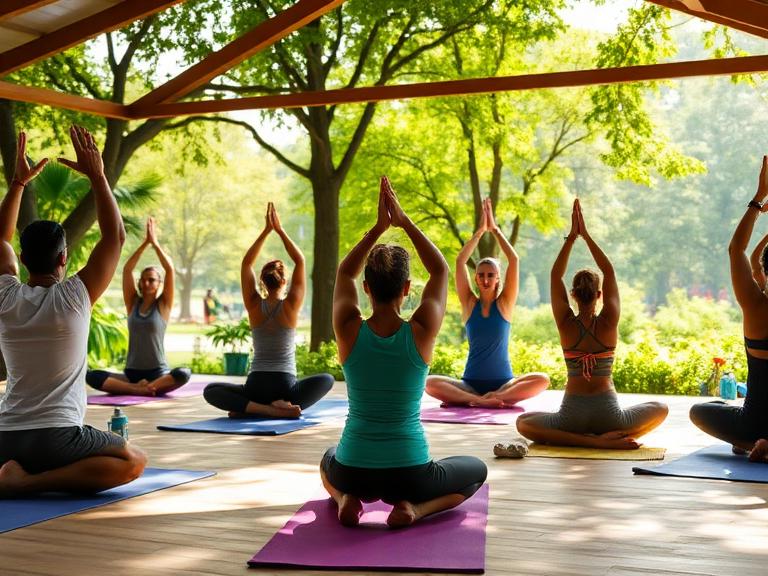
In an urban environment, random exercise habits often yield inconsistent results. A structured yoga routine provides a predictable sequence of warm-ups, standing poses, balancing postures, seated stretches, breath control (Pranayama), and systemic relaxation (Savasana).
┌────────────────────────────────────────────────────────────────────────┐
│               BENEFITS OF A STRUCTURED YOGA ROUTINE                    │
├───────────────────────────┬────────────────────────────────────────────┤
│ Physical Health           │ • Reverses desk-bound "tech-neck"          │
│                           │ • Hydrates & decompresses intervertebral discs│
│                           │ • Stabilizes pelvic & core alignment       │
├───────────────────────────┼────────────────────────────────────────────┤
│ Nervous System            │ • Reduces serum cortisol levels            │
│                           │ • Enhances Heart Rate Variability (HRV)    │
│                           │ • Supports deep restorative sleep cycles   │
├───────────────────────────┼────────────────────────────────────────────┤
│ Metabolic & Hormonal      │ • Stimulates organ tissue circulation     │
│                           │ • Improves insulin sensitivity             │
│                           │ • Supports thyroid & PCOD/PCOS recovery    │
└───────────────────────────┴────────────────────────────────────────────┘
When you follow a consistent routine rather than unstructured exercises, your body develops neuromuscular memory. Joints lubricate systematically, tight muscle groups lengthen safely, and your autonomic nervous system shifts from chronic alertness into a calm, balanced state.
Step-by-Step Sample Yoga Routines
Depending on your schedule, energy levels, and wellness goals, choose between an energizing morning flow, a gentle evening decompression routine, or a specialized therapeutic spinal sequence.
                        ┌──────────────────────────┐
                        │  SELECT YOUR YOGA FLOW   │
                        └────────────┬─────────────┘
                                     │
         ┌───────────────────────────┼───────────────────────────┐
         ▼                           ▼                           ▼
┌──────────────────┐        ┌──────────────────┐        ┌──────────────────┐
│ Morning Flow     │        │ Evening Routine  │        │ Therapeutic Sequence│
│ (30–45 Mins)     │        │ (30 Mins)        │        │ (40 Mins)        │
│ • Surya Namaskar │        │ • Cat-Cow stretch│        │ • Bhujangasana   │
│ • Warrior Poses  │        │ • Forward Folds  │        │ • Setu Bandhasana│
│ • Kapalabhati    │        │ • Nadi Shodhana  │        │ • Anulom Vilom   │
└──────────────────┘        └──────────────────┘        └──────────────────┘
1. The 35-Minute Energizing Morning Routine
This sequence wakes up the musculoskeletal system, fires up core strength, boosts circulation, and sharpens mental focus before your work shift.
- Phase 1: Micro Warm-ups / Joint Mobilization (5 Minutes)
- Neck Rotations (Greeva Sanchalana): 5 gentle clock-wise and counter-clockwise rolls.
- Shoulder Socket Rotation (Skandha Chakra): 10 open chest circles to unround forward-slumped shoulders.
- Ankle & Knee Bends: 10 gentle flexes to stimulate lower-limb circulation.
- Phase 2: Sun Salutations / Dynamic Warm-up (10 Minutes)
- Surya Namaskar (6 to 12 Cycles): Move rhythmically, synchronizing inhale during back extensions and exhale during forward bends.
- Phase 3: Standing Alignment & Core Balance (10 Minutes)
- Tadasana (Palm Tree Pose): Hold for 45 seconds to stretch the entire spine.
- Trikonasana (Triangle Pose): Hold 30 seconds per side to open hips and strengthen obliques.
- Virabhadrasana II (Warrior II): Hold 45 seconds per side for leg stamina and hip opening.
- Phase 4: Seated Stretches & Inversions (5 Minutes)
- Paschimottanasana (Seated Forward Bend): Hold 1 minute for deep hamstring lengthening.
- Viparita Karani (Legs-Up-The-Wall): Hold 2 minutes to drain lymphatic fluid from legs.
- Phase 5: Pranayama & Conscious Rest (5 Minutes)
- Kapalabhati (Skull-Shining Breath): 3 rounds of 30 brisk exhalations.
- Savasana (Corpse Pose): 3 minutes of total physical immobility and guided breath awareness.
2. The 30-Minute Evening Post-Work Decompression Routine
Designed to relieve stress accumulated during desk work, release lumbar compression, and calm an overactive mind before dinner.
- Phase 1: Gentle Spinal Waves (5 Minutes)
- Marjariasana-Bitilasana (Cat-Cow Pose): 10 slow cycles matching breath to movement.
- Child’s Pose (Balasana): Rest foreheads on the mat for 2 minutes to release lower back tension.
- Phase 2: Hip Opening & Spinal Twisting (15 Minutes)
- Anjaneyasana (Low Lunge): Hold 1 minute per side to stretch tight hip flexors.
- Supta Matsyendrasana (Supine Spinal Twist): Hold 1.5 minutes per side to wring out thoracic tightness.
- Badha Konasana (Butterfly Pose): Hold 2 minutes to improve pelvic blood flow.
- Phase 3: Restorative Breathwork & Meditation (10 Minutes)
- Nadi Shodhana (Alternate Nostril Breathing): 5 minutes of slow, quiet breath balancing.
- Guided Body Scan Savasana: 5 minutes releasing tension in the jaw, shoulders, and lower back.
3. The 40-Minute Clinical Therapeutic Routine (Spine & Posture)
Specifically constructed for individuals suffering from non-acute lumbar spondylosis, upper back stiffness, or mild sciatica.
┌────────────────────────────────────────────────────────────────────────┐
│                   THERAPEUTIC SPINAL REHAB SEQUENCE                    │
├──────────────────┬───────────────────────┬─────────────────────────────┤
│ Asana / Movement │ Duration / Holds      │ Primary Anatomic Focus      │
├──────────────────┼───────────────────────┼─────────────────────────────┤
│ Bhujangasana     │ 3 Sets x 30 Secs      │ Lumbar extensor activation  │
│ Shalabhasana     │ 3 Sets x 20 Secs      │ Glute & lower back strength │
│ Setu Bandhasana  │ 3 Sets x 45 Secs      │ Pelvic bridge stabilization │
│ Pawanmuktasana   │ 2 Sets x 60 Secs      │ Lumbar decompression        │
│ Anulom Vilom     │ 7 Minutes Continuous  │ Parasympathetic activation  │
└──────────────────┴───────────────────────┴─────────────────────────────┘
Safety Warning: If you have acute, radiating pain or a recent disc herniation, consult a certified clinical yoga therapist or medical doctor before starting this sequence.
Comparing Yoga Styles for Your Routine
Selecting the right style determines how your routine impacts your body. Match your primary objective with the appropriate discipline:
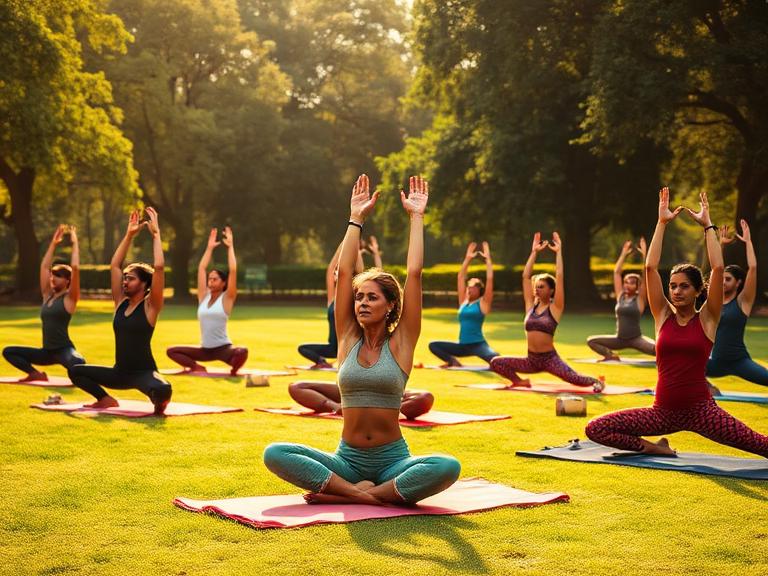
Neighborhood Guide: Studio Networks & Hubs Across Chennai
Where you learn and practice your routine impacts your consistency. Chennai is organized into clear regional wellness zones:
1. Central Chennai: Mylapore, Alwarpet, R.A. Puram & Nungambakkam
Considered the heritage core for yoga education in Tamil Nadu.
- Key Features: Heritage institutes, lineage-based instruction, individualized therapeutic consultations, and dedicated Pranayama workshops.
- Best For: Classical Hatha alignment, senior citizen care, and chronic therapeutic management.
2. South & Coastal Chennai: Adyar, Besant Nagar, Thiruvanmiyur & ECR
Capitalizing on fresh ocean air and green spaces.
- Key Features: Sunrise outdoor beach routines along Elliot’s Beach, Ashtanga Mysore-style groups, and boutique studios offering Vinyasa and Aerial flow.
- Best For: Outdoor lovers, dynamic flow practitioners, and younger fitness enthusiasts.
3. North & Western Suburbs: Anna Nagar, Kilpauk, Porur & Velachery
Fast-growing residential hubs with modern wellness infrastructure.
- Key Features: Spacious multi-room studio networks, flexible morning/evening schedules for corporate shifts, and dedicated women-only health batches.
- Best For: Working parents, IT professionals, and beginners looking for local community classes.
Cost Analysis: Yoga Routine Fees in Chennai
Pricing across Chennai varies based on class format (studio group vs. personal trainer), location, amenities, and teacher certification levels.
| Format / Program | Average Monthly Fee Range | Per Session Rate | Value Highlights |
| Standard Studio Group Batches | ₹1,800 – ₹3,500 | ₹150 – ₹300 | Budget-friendly, good community energy, shared props |
| Boutique AC Studio Batches | ₹3,500 – ₹6,000 | ₹400 – ₹600 | Smaller group sizes (under 12), premium equipment, lockers |
| 1-on-1 Personal Home Tutors | ₹5,500 – ₹10,000 | ₹500 – ₹1,000 | Fully customized routine, home convenience, direct form correction |
| Clinical Therapy Sessions | ₹6,000 – ₹12,000 | ₹700 – ₹1,200 | Customized medical rehab, diagnostic assessment |
| Live Interactive Online Batches | ₹1,200 – ₹2,500 | ₹100 – ₹200 | Complete home convenience, flexible scheduling |
Financial Tip: Most registered studios in Chennai offer free or low-cost demo classes. Additionally, opting for a 3-month or 6-month upfront plan typically reduces monthly fees by 15% to 25%.
Essential Equipment & Home Setup Checklist
Building a comfortable home space keeps your daily routine consistent. Follow this simple setup checklist:
[ ] High-Density Mat: 6mm TPE or natural rubber mat for adequate joint protection.
[ ] Yoga Props: Two high-density foam blocks & one 8ft cotton strap for flexibility support.
[ ] Clothing: Breathable, stretchable cotton or sweat-wicking athletic wear.
[ ] Space Environment: Flat, well-ventilated area free of sharp edges or clutter.
[ ] Towel & Strap: Hand towel for grip during sweaty sessions.
Meal and Water Timing Rules
To practice safely and prevent digestive discomfort, align your routine with proper meal timing:
                 ┌───────────────────────────────────────┐
                 │        MEAL & PRACTICE TIMINGS        │
                 ├───────────────────────────────────────┤
                 │ Heavy Meal  ──> Wait 3 to 4 Hours     │
                 │ Light Snack ──> Wait 1.5 to 2 Hours   │
                 │ Hydration   ──> Small sips only       │
                 └───────────────────────────────────────┘
- Empty Stomach Principle: Always practice on an empty stomach. Wait 3 to 4 hours after a heavy meal (lunch/dinner) or 1.5 to 2 hours after a light snack (fruits/nuts).
- Hydration Rules: Avoid chugging large amounts of water immediately before or during your routine. Sip small amounts if your throat feels dry, and drink fully 20 minutes after completing Savasana.
Frequently Asked Questions (FAQs)
Q1: What makes a structured yoga routine in Chennai so effective for working professionals?
A structured yoga routine combines postural alignment, core activation, and breath regulation. It directly counteracts desk-bound physical stress, relieves neck and back stiffness, lowers cortisol levels, and boosts mental clarity amidst long commutes and high workloads.
Q2: How long should a daily yoga routine take for beginners?
For beginners, a 30 to 45-minute daily yoga routine is ideal. This provides enough time for joint warm-ups, 6 to 12 cycles of Surya Namaskar, foundational standing/seated poses, Pranayama, and deep relaxation in Savasana.
Q3: What is the average monthly cost of learning a guided yoga routine in Chennai?
Standard studio group classes range between ₹1,800 and ₹4,000 per month. Premium studio memberships or customized 1-on-1 personal training routines cost between ₹5,000 and ₹10,000 per month depending on location and instructor expertise.
Q4: Is it better to practice a yoga routine in the morning or evening?
Both offer unique benefits. Morning routines (5:30 AM – 7:30 AM) energize the body, kickstart metabolism, and sharpen mental focus. Evening routines (5:30 PM – 7:30 PM) release accumulated work stress, extend tight joints, and promote deep restorative sleep.
Q5: Can a customized yoga routine help cure chronic lower back pain and sciatica?
Yes. A clinical therapeutic yoga routine designed by a certified specialist focuses on spinal lengthening, pelvic stabilization, core strengthening, and decompressing pinched nerves without forceful bending.
Q6: Are there specialized yoga routines for women in Chennai?
Yes. Studios across Anna Nagar, Adyar, and Mylapore offer specialized women-only routines tailored for PCOD/PCOS management, prenatal care, thyroid regulation, hormonal balance, and pelvic floor strength.
Q7: Can I learn a personal yoga routine at home with a private trainer in Chennai?
Yes. Certified personal yoga tutors offer doorstep private sessions across Chennai. They design customized routines for senior citizens, corporate executives, or individuals undergoing physical rehabilitation.
Q8: What equipment or props are needed for a home yoga routine?
All you need is a non-slip 6mm yoga mat, comfortable stretchable clothing, a hand towel, and optionally two high-density foam blocks and a cotton yoga strap to assist flexibility.
Q9: How soon can I expect physical results from a daily yoga routine?
Improvements in digestion, energy levels, and mental calm usually appear within 1 to 2 weeks. Structural changes like enhanced flexibility, postural correction, and core strength typically show within 4 to 8 weeks of consistent practice.
Q10: What is the difference between a Hatha yoga routine and a Vinyasa routine?
A Hatha routine involves holding static postures for multiple breaths with an emphasis on alignment and stability. A Vinyasa routine fluidly connects movement with breath in continuous sequences that elevate heart rate and stamina.
Q11: Are outdoor yoga routines available in Chennai?
Yes. Guided sunrise outdoor yoga routines take place along Elliot’s Beach in Besant Nagar, Thiruvanmiyur Beach, and community parks in Kilpauk and Anna Nagar.
Q12: How should I manage my diet around my yoga routine?
Always practice on an empty stomach. Wait at least 3 to 4 hours after a full meal or 1.5 to 2 hours after a light snack before starting your routine. Sip small amounts of water during practice only when necessary.
Q13: Can senior citizens safely practice a daily yoga routine?
Yes. Senior citizens can follow modified gentle or chair yoga routines focusing on joint lubrication, low-impact balance drills, safe stretching, and calming Pranayama.
Q14: Are online live yoga routine classes effective compared to studio sessions?
Yes. Interactive live online classes where instructors observe and correct posture in real-time offer high effectiveness, combining the convenience of home practice with expert guidance.
Q15: Do yoga studios in Chennai provide trial classes before enrollment?
Yes. Most studios, home instructors, and online platforms in Chennai offer 1 or 2 trial sessions so you can experience the routine and teaching style before subscribing monthly.
Conclusion
Establishing a personalized yoga routine in Chennai is an investment in your physical vitality, daily productivity, and long-term well-being. With expert guidance available across every neighborhood—from traditional centers in Mylapore to dynamic studios in Adyar and Anna Nagar—starting your practice is straightforward. Choose a sequence that matches your lifestyle, schedule a trial session with a qualified teacher, and experience the benefits of consistent daily yoga practice.