Table of Contents
Public EV Charging Station in Hyderabad | CPO Network & Location Guide
Greater Hyderabad—spanning the IT corridors of Cyberabad, the industrial nodes of Medchal and Patancheru, and the high-speed transit corridors of the 158-km Outer Ring Road (ORR)—has established itself as South Asia’s premier mobility transformation market. Driven by progressive state policy mandates, corporate ESG commitments, and widespread electric vehicle adoption across commercial taxi fleets, public transport buses, and personal commuters, the demand for accessible, high-speed charging infrastructure is at an all-time high.
Establishing a viable, profitable, and compliant public EV charging station in Hyderabad requires more than mounting a charger on a concrete pad. It demands a synchronized engineering framework combining land acquisition, utility grid load sanctions, high-power DC conversion hardware, cloud-based software management, and strict regulatory compliance:
This master blueprint details the regulatory frameworks, grid integration protocols, financial models, and execution procedures for developing and operating public EV charging stations across the Hyderabad Metropolitan Development Authority (HMDA) jurisdiction.
1. Regulatory & Policy Framework: TGREDCO, TGSPDCL & TGERC Directives
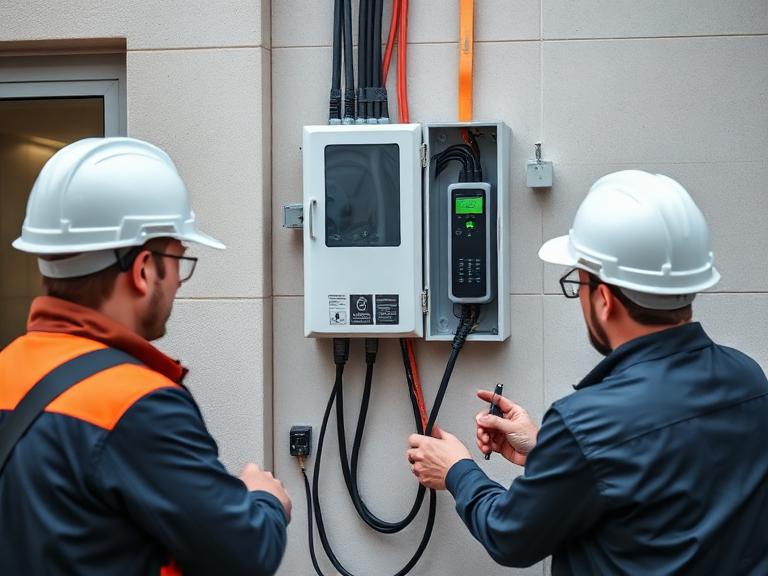
Developing public charging infrastructure in Telangana requires navigating guidelines established by state renewable energy agencies, distribution utilities, and electricity regulatory commissions.
┌─────────────────────────────────────────────────────────────────────────────┐
│                    REGULATORY & UTILITY COMPLIANCE GRID                     │
├──────────────────────┬──────────────────────────┬───────────────────────────┤
│ Governing Agency     │ Primary Strategic Scope  │ Key Operational Mandate   │
├──────────────────────┼──────────────────────────┼───────────────────────────┤
│ TGREDCO              │ State Nodal Agency (SNA) │ CPO Empanelment; PPP Land │
│                      │ & Policy Facilitator     │ Leases & TSEV App Sync    │
├──────────────────────┼──────────────────────────┼───────────────────────────┤
│ TGSPDCL              │ Power Distribution       │ LT-IX / HT-IX EV Tariff   │
│                      │ Utility Operator         │ @ ₹6.00/unit Base Rate    │
├──────────────────────┼──────────────────────────┼───────────────────────────┤
│ TGERC / CEA          │ Regulatory Commission &  │ Ground Resistance < 5.0 Ω │
│                      │ Safety Inspectorate      │ Type B 30mA RCD Mandate   │
└──────────────────────┴──────────────────────────┴───────────────────────────┘
TGREDCO State Nodal Agency (SNA) Mandates
The Telangana Renewable Energy Development Corporation Limited (TGREDCO)—formerly TSREDCO—acts as the designated nodal agency for electric vehicle infrastructure development:
- Public-Private Partnership (PPP) Land Allotment: TGREDCO aggregates prime government-owned land parcels—including TSIIC industrial parks, HMDA parking plazas, TSRTC bus terminals, and municipal sites—and tenders them to empanelled Charge Point Operators (CPOs) under revenue-sharing or ground-lease models.
- CPO Empanelment Framework: Operators must undergo technical and financial evaluation to join TGREDCO’s empanelled list, ensuring that deployed hardware meets national standards (BIS/ARAI certified) and supports open protocol communications.
- TSEV Unified Mobility App Integration: Public CPOs are required to transmit real-time telemetry—including station location, connector availability, live charging status, and tariff pricing—to TGREDCO’s central TSEV mobile platform via secure WebSockets.
TGSPDCL LT-IX / HT-IX Concessional EV Tariff
Under the regulatory orders of the Telangana Electricity Regulatory Commission (TGERC), TGSPDCL enforces a dedicated utility power tariff category specifically tailored for EV charging infrastructure:
- Concessional Energy Base Charge: LT-IX (Low Tension) and HT-IX (High Tension) tariff categories set the base electricity charge at ₹6.00 per unit (kWh) plus applicable electricity duties. This input rate is significantly lower than standard commercial C&I tariffs (which often exceed ₹10.00/kWh), providing favorable margins for public station operators.
- Dedicated High-Tension (HT) Connections: Public fast-charging plazas requiring total connected loads above 75 kVA receive dedicated 11kV or 33kV service lines, complete with outdoor step-down transformers and digital Time-of-Day (TOD) metering.
2. Technical Hardware Portfolio & Substation Microgrid Architecture
A high-utilization public charging hub must feature a versatile hardware lineup capable of serving personal passenger cars, commercial fleet cabs, electric two/three-wheelers, and heavy commercial transit vehicles.
┌─────────────────────────────────────────────────────────────────────────────┐
│                 HIGH-POWER PUBLIC CHARGING PLAZA ARCHITECTURE               │
├─────────────────────────────────────────────────────────────────────────────┤
│  TGSPDCL 11kV / 33kV Utility Line ──► Dedicated Outdoor Step-Down Transformer│
│                                                     │                       │
│  Rooftop / Canopy Solar PV Array ──► Hybrid Inverter ──► Main LT Busbar Panel │
│                                                     │                       │
│  BESS LFP Battery Storage Buffer ──► DC Fast Busbar ──► Dual CCS2 Dispensers│
└─────────────────────────────────────────────────────────────────────────────┘
Recommended Public Charger Classifications
- High-Power DC Fast Chargers (60kW to 120kW Dual CCS2):
- Target Deployments: Malls, commercial tech parks, retail centers, and highway service nodes.
- Key Specifications: Dual CCS2 guns with dynamic power sharing (e.g., 120kW single vehicle or 60kW dual simultaneous dispensing), IP54/IP65 weatherproofing, 7-inch touchscreen, integrated POS/UPI payment terminals, and OCPP 1.6J/2.0.1 compliance.
- Ultra-Fast Liquid-Cooled Charging Cabinets (180kW to 240kW+):
- Target Deployments: Outer Ring Road (ORR) express hubs, e-bus depots, and intercity freight terminals.
- Key Specifications: Heavy-duty modular power cabinets supporting up to 400A continuous output to 800V vehicle battery architectures via liquid-cooled cable assemblies.
- Commercial AC Smart Hubs (7.4kW to 22kW Type 2):
- Target Deployments: Multi-hour park-and-ride facilities, cinema complexes, and workplace parking bays.
- Key Specifications: Dual-port Type 2 AC wallboxes featuring RFID authentication, automated cable locks, and Dynamic Load Management (DLM).
3. Site Selection & Micro-Market Deployment Matrix
Locating a public EV charging station effectively requires balancing vehicular traffic density, grid connection costs, and driver dwell times across Greater Hyderabad:
┌─────────────────────────────────────────────────────────────────────────────┐
│                 MICRO-MARKET PUBLIC DEPLOYMENT MATRIX                       │
├─────────────────────┬──────────────────────────┬────────────────────────────┤
│ Location Corridor   │ Driver Profile & Dwell   │ Optimal Hardware & Layout  │
├─────────────────────┼──────────────────────────┼────────────────────────────┤
│ Cyberabad IT Hubs   │ Tech employees, fleet    │ Dual 60kW / 120kW DCFCs +  │
│ (HITEC / Gachibowli)│ cabs, luxury private EVs │ 22kW AC Smart Wallboxes    │
│                     │ (Dwell: 30–60 mins)      │ (High-density retail sites)│
├─────────────────────┼──────────────────────────┼────────────────────────────┤
│ Outer Ring Road     │ Intercity passenger cars,│ 120kW – 240kW Ultra-Fast   │
│ Interchanges (ORR)  │ e-buses, long-haul vans  │ Dual CCS2 Plazas + BESS    │
│                     │ (Dwell: 15–30 mins)      │ (Solar canopy shading)     │
├─────────────────────┼──────────────────────────┼────────────────────────────┤
│ Transit Hubs &      │ Commuters, metro feed    │ 7.4kW / 22kW AC Wallboxes  │
│ Metro Stations      │ e-3Ws, daily park-and-ride│ + 30kW Compact DC Fast     │
│ (KPHB / Uppal)      │ (Dwell: 2–8 hours)       │ (High volume turnover)     │
├─────────────────────┼──────────────────────────┼────────────────────────────┤
│ Commercial Retail & │ Shoppers, cinema-goers,  │ Dual 60kW DC Fast Plazas   │
│ Shopping Malls      │ dining visitors          │ with RFID / UPI terminals  │
│ (Banjara / Kukatpally)│ (Dwell: 1–3 hours)     │ (Valet parking integration)│
└─────────────────────┴──────────────────────────┴────────────────────────────┘
4. Software Engineering: OCPP CSMS & Energy Orchestration
Hardware performance depends on cloud-based Charge Point Management Software (CSMS) built on open communication protocols (OCPP 1.6J and OCPP 2.0.1/2.1).
┌─────────────────────────────────────────────────────────────────────────────┐
│                 ENTERPRISE CSMS SOFTWARE FUNCTIONAL LAYERS                  │
├─────────────────────────────────────────────────────────────────────────────┤
│  LAYER 1: DRIVER INTERFACE (Mobile App / Web Portal)                        │
│  • Real-time map navigation, station reservation, plug type filtering.     │
│  • One-click UPI, credit card, net banking, and RFID wallet payments.       │
│                                                                             │
│  LAYER 2: CPO NETWORK OPERATIONS CENTER (NOC)                               │
│  • Real-time station telemetry, session power curves, fault code logging.   │
│  • Automated tariff management, peak/off-peak pricing rules, billing split.│
│                                                                             │
│  LAYER 3: ENERGY ORCHESTRATION & LOAD MANAGEMENT                            │
│  • Dynamic Load Management (DLM) to prevent building transformer overload.  │
│  • Solar PV self-consumption tuning and TGREDCO app telemetry data feeds.   │
└─────────────────────────────────────────────────────────────────────────────┘
Dynamic Load Management (DLM) Operation
In commercial complexes where total electrical capacity is constrained, DLM uses smart current transformers (CTs) installed at the main LT distribution panel to monitor building power draw in real time. As building AC units or lighting loads fluctuate, the DLM controller dynamically throttles charger power output up or down, ensuring total facility consumption never exceeds the TGSPDCL sanctioned load limit and preventing circuit breaker trips.
5. Step-by-Step Implementation & Commissioning Workflow
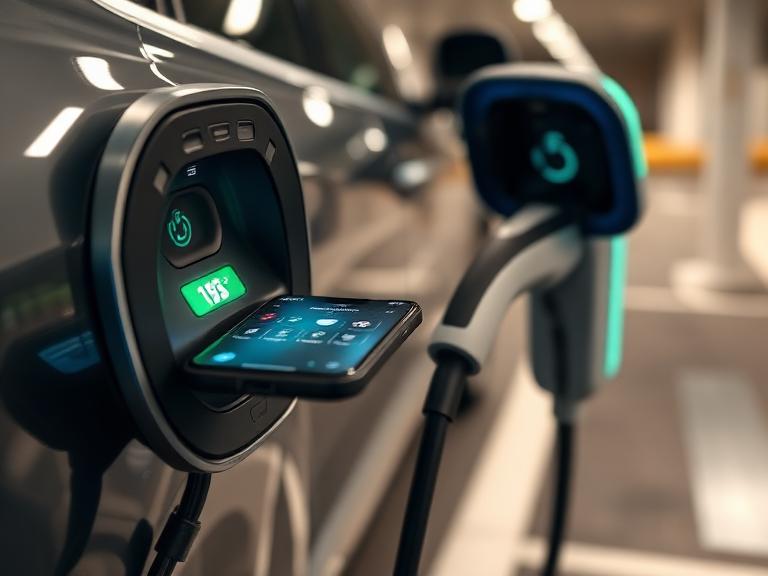
Developing a commercial public EV charging station involves a structured execution workflow:
1.Site Survey, Load Audit & SLD Preparation:Phase 1: Site Audit & Feasibility.
Engineers evaluate site switchgear, measure TGSPDCL transformer kVA capacity, analyze soil resistivity for chemical earthing, conduct 3D shadow analysis for solar canopy placement, and draft As-Built Single-Line Diagrams (SLDs).
2.TGSPDCL Load Sanction & TGREDCO Filing:Phase 2: Licensing & Utility Clearances.
Submit formal service connection applications to TGSPDCL under LT-IX or HT-IX tariff categories. Secure utility approvals for transformer erection and file site plans with TGREDCO for public empanelment.
3.Concrete Plinth Construction & Cable Troughs:Phase 3: Civil Works & Trenching.
Excavate cable trenches, lay concrete cable troughs with brick covers, pour reinforced M30 concrete mounting plinths elevated 200mm above grade, install steel protective bollards, and build canopy structures.
4.Substation, Transformer & LT Panel Erection:Phase 4: High-Voltage Electrical Setup.
Erect the outdoor step-down transformer (100 kVA to 315 kVA), install HT VCB breakers, mount the main LT busbar distribution panel, fit Class II SPDs, Type B RCD switches, and TOD utility meters.
5.Chemical Earth Pits & Hardware Mounting:Phase 5: Earthing & Charger Installation.
Install dual chemical pipe earth pits (< 5.0 Ω). Lay XLPE armored copper/aluminum cables on GI ladder trays, perform glanding and crimping, anchor DC fast charging cabinets, and connect dual earth bonds.
6.CEA Safety Audit & CSMS Integration:Phase 6: CEA Inspection & Go-Live.
Perform 1000V DC megohmmeter insulation tests and fall-of-potential earth resistance tests. Pass statutory Central Electricity Authority (CEA) safety audits, establish OCPP WebSocket connectivity to the cloud CSMS, and launch public operations.
6. Business Models & Commercial Land Leasing Frameworks
Landowners, commercial developers, and CPOs can structure public station investments under various commercial agreements:
┌─────────────────────────────────────────────────────────────────────────────┐
│                 PUBLIC STATION COMMERCIAL BUSINESS MODELS                   │
├─────────────────────────────────────────────────────────────────────────────┤
│  MODEL 1: COCO (Company-Owned, Company-Operated)                            │
│  • CPO Funds 100% CapEx (Hardware, Civil, Transformer) & OpEx.              │
│  • Landowner receives fixed monthly ground rent OR 5%–12% revenue share.     │
│                                                                             │
│  MODEL 2: FOCO (Franchise-Owned, Company-Operated)                          │
│  • Site Host / Investor funds CapEx for hardware and civil construction.    │
│  • CPO provides software CSMS, 24/7 NOC telemetry, and maintenance.         │
│  • Net Session Revenue Split: 70%–80% to Franchisee / 20%–30% to CPO.       │
│                                                                             │
│  MODEL 3: DODO (Dealer-Owned, Dealer-Operated)                              │
│  • Independent entrepreneur owns hardware, land, and manages operations.    │
│  • CPO supplies white-label OCPP software backend and technical support.    │
└─────────────────────────────────────────────────────────────────────────────┘
7. Financial Modeling & Payback Analysis
Investing in a commercial public DC fast charging plaza yields strong financial returns driven by expanding EV adoption across Telangana.
Financial Model: 60kW Dual-Gun Public DC Fast Charging Station
┌─────────────────────────────────────────────────────────────────────────────┐
│                    CAPITAL EXPENDITURE (CapEx Outlay)                       │
├─────────────────────────────────────────────────────────────────────────────┤
│  • 60kW Dual CCS2 DC Fast Charger Unit: ₹7,50,000                           │
│  • 100 kVA Transformer & TGSPDCL Grid Connection: ₹4,50,000                 │
│  • Civil Construction, Trenching, Canopy & Signage: ₹2,20,000                │
│  • Electrical Switchgear, XLPE Cabling & CEA Inspection: ₹2,30,000          │
│  • Total Initial CapEx Investment: ₹16,50,000                               │
├─────────────────────────────────────────────────────────────────────────────┤
│                  OPERATIONAL REVENUE & CASH FLOW (Monthly)                  │
├─────────────────────────────────────────────────────────────────────────────┤
│  • Daily Utilization Rate: 22% (5.2 hours active charging / day)            │
│  • Daily Energy Dispensed: 312 kWh / day                                    │
│  • Monthly Energy Dispensed: 9,360 kWh                                       │
│  • Customer Public Charging Tariff: ₹19.00 / kWh                            │
│  • TGSPDCL LT-IX Base Power Cost: ₹7.20 / kWh (incl. duty/losses)          │
│  • Net Gross Margin per kWh: ₹11.80 / kWh                                   │
│  • Monthly Gross Operating Profit: ₹1,10,448                                │
│  • Less: Monthly Maintenance, CSMS & Network Fees: (-₹16,000)               │
│  • Monthly Net Operating Income: ₹94,448 (₹11,33,376 / year)                 │
├─────────────────────────────────────────────────────────────────────────────┤
│  FINANCIAL RETURN METRICS                                                   │
│  • Simple Financial Payback Period: 17.5 Months (1.45 Years)                 │
│  • 5-Year Net Present Value (NPV @ 10% Discount Rate): ₹26,80,000           │
│  • 5-Year Internal Rate of Return (IRR): 48.2%                              │
└─────────────────────────────────────────────────────────────────────────────┘
8. Frequently Asked Questions (15 Detailed FAQs)
1. Where can EV drivers find a reliable public EV charging station in Hyderabad?
Public EV charging stations in Hyderabad are widely deployed across high-density technology corridors (HITEC City, Gachibowli, Financial District), major transit hubs (Rajiv Gandhi International Airport, Secunderabad, KPHB Colony Metro), commercial shopping malls (Inorbit, Nexus Hyderabad, Sarath City Capital), and along the Outer Ring Road (ORR) service interchanges. Drivers locate active stations via central CPO mobile apps, Google Maps, and the state’s official TGREDCO TSEV app.
2. What role does TGREDCO play in deploying public EV charging stations across Telangana?
The Telangana Renewable Energy Development Corporation Limited (TGREDCO)—formerly TSREDCO—serves as the State Nodal Agency (SNA). TGREDCO allocates prime government land parcels (TSIIC industrial parks, TSRTC bus depots, HMDA parking lots) under Public-Private Partnership (PPP) models, empanel Charge Point Operators (CPOs), and aggregates station telemetry for public access.
3. What are the electricity tariff rates for public EV charging stations set by TGSPDCL in Telangana?
Under the TGERC regulatory framework, TGSPDCL provides a dedicated concessional LT-IX / HT-IX EV Charging tariff category. The base energy charge is set at ₹6.00 per unit (kWh) plus applicable electricity duty, providing lower input power costs compared to standard commercial tariffs.
4. How much does it cost an EV driver to charge at a public DC fast charging station in Hyderabad?
Commercial public DC fast chargers (60kW to 120kW+) in Greater Hyderabad typically bill EV drivers between ₹18.00 and ₹22.00 per kWh (including energy cost, CPO operational margins, and GST). Fully charging a 30 kWh mid-range electric passenger car costs approximately ₹540 to ₹660, taking 30 to 45 minutes.
5. What business models allow landowners to host a public EV charging station in Hyderabad?
Landowners can choose from three main models: (1) Company-Owned, Company-Operated (COCO) where the CPO pays fixed monthly ground rent or a 5%-12% revenue share while funding all CapEx, (2) Franchise-Owned, Company-Operated (FOCO) where the landowner funds hardware while the CPO manages software and operations, and (3) Dealer-Owned, Dealer-Operated (DODO) for full site control.
6. What is the typical setup cost for a commercial public DC fast charging station in Hyderabad?
Setting up a commercial public DC fast charging plaza with a 60kW dual-gun CCS2 unit costs approximately ₹16.5 lakh to ₹22.5 lakh. This includes ₹7.5 lakh for the DCFC hardware, ₹4.5 lakh for a dedicated 100 kVA step-down transformer and TGSPDCL grid connection, ₹2.5 lakh for civil plinths and cabling, and ₹2.0 lakh for CEA inspection, switchgear, and software onboarding.
7. What hardware connectors are mandated for public charging stations in India?
Public charging plazas in Hyderabad deploy Combined Charging System 2 (CCS2) connectors for DC fast charging (compatible with Tata, Mahindra, Hyundai, BYD, and European EVs), Type 2 AC connectors for 7.4kW–22kW wallboxes, and specialized Bharat DC-001 or LEV AC/DC plugs for electric 2-wheelers and 3-wheelers.
8. What is the average financial payback period for investing in a public DC fast charger in Greater Hyderabad?
With a healthy daily utilization rate of 20% to 25% (4.5 to 6 hours of active charging per day), a commercial 60kW dual-gun DC fast charging station recovers its initial capital investment within 17 to 25 months, yielding a 5-year Internal Rate of Return (IRR) exceeding 45%.
9. How does Dynamic Load Management (DLM) prevent utility transformer overloads at public charging hubs?
Dynamic Load Management software continuously monitors real-time current draw at the site’s main LT panel using smart Current Transformers (CTs). As overall facility electrical demand shifts, the DLM engine automatically throttles individual charger power outputs up or down, ensuring total site consumption never exceeds the TGSPDCL sanctioned load.
10. What safety standards are mandated by the Central Electricity Authority (CEA) for public EV chargers?
CEA regulations mandate: (1) Double earthing with dedicated chemical pipe earth pits maintaining ground resistance strictly below 5.0 Ohms (< 1.0 Ohm for fast plazas), (2) Type B Residual Current Devices (30mA trip sensitivity within 30ms), (3) Class II Surge Protection Devices (SPD), (4) Emergency Stop switches, and (5) Insulation resistance exceeding 100 Megohms at 1000V DC.
11. Can a public EV charging station in Hyderabad operate off-grid or with solar power?
Yes. Public stations can integrate on-site rooftop or canopy solar PV arrays synchronized via TGREDCO net-metering. Along highway corridors like the Outer Ring Road (ORR), operators deploy hybrid microgrids combining solar canopies, Battery Energy Storage Systems (BESS), or off-grid bio-ethanol fast generators to bypass grid transformer connection delays.
12. How do software CSMS platforms handle billing, payment, and CPO revenue settlement?
Cloud CSMS software operating on OCPP 1.6J or 2.0.1/2.1 protocols links chargers to mobile driver apps. Drivers initiate charging via QR codes, RFID cards, or Auto-Charge features. Payments process instantly via integrated UPI, credit card, or digital wallet gateways, with automated revenue settlement deposited directly into the CPO’s bank account.
13. How long does it take to deploy a public DC fast charging station in Cyberabad?
Turnkey deployment typically takes 6 to 10 weeks: 2 to 3 weeks for TGSPDCL load sanction and transformer approvals, 2 weeks for civil plinth curing and cable trenching, 1 week for hardware mounting and switchgear erection, and 1 to 2 weeks for CEA safety inspection, testing, and CSMS cloud onboarding.
14. What operational uptime does TGREDCO require from public CPOs in Telangana?
TGREDCO mandates that empanelled CPOs maintaining public charging stations achieve a minimum 95% operational uptime (excluding utility grid power outages). CPOs utilize 24/7 remote NOC telemetry monitoring and 2-hour emergency field SLA response teams to maintain uptime compliance.
15. What maintenance support is required to keep a public charging plaza fully functional?
Public stations require quarterly preventive maintenance (cleaning air intake filters, infrared thermal imaging of busbar joints, retorquing connections, reconditioning earth pits, testing RCD trip speeds), alongside 24/7 NOC remote monitoring, firmware flashing, and fast CCS2 gun cable repair.